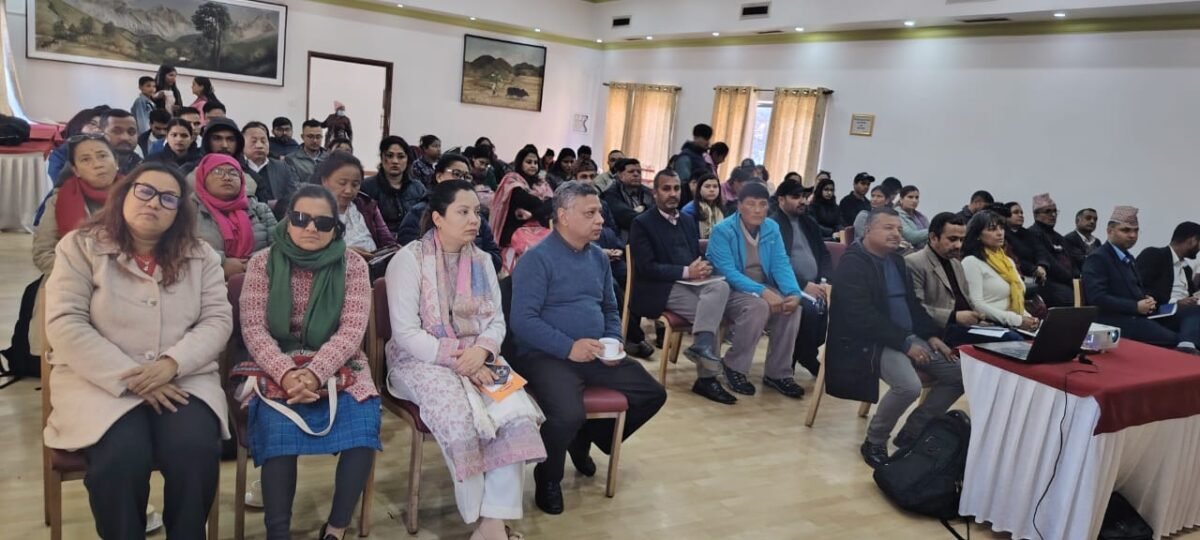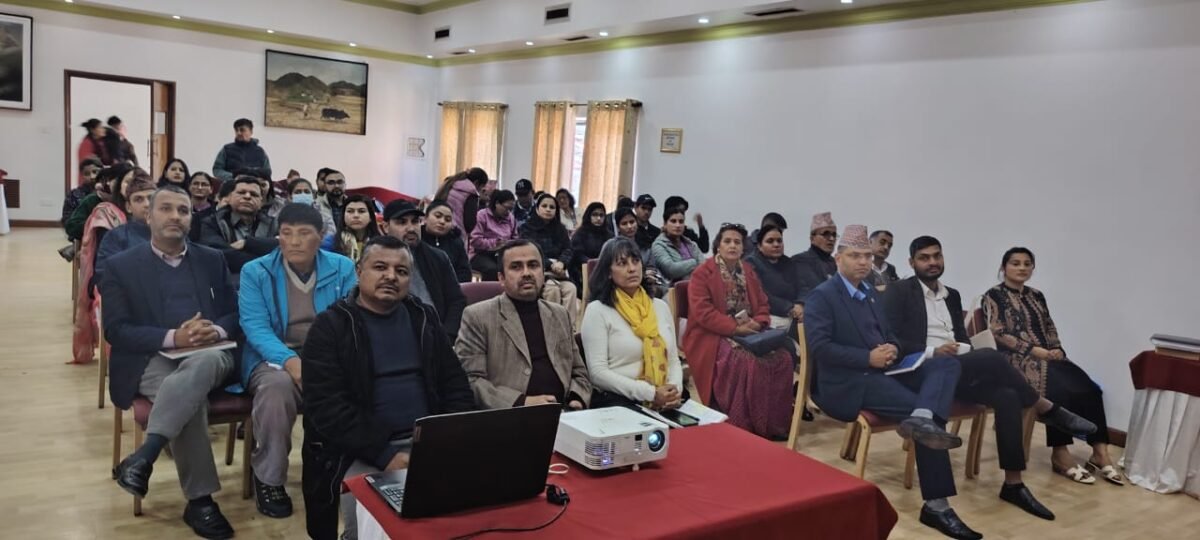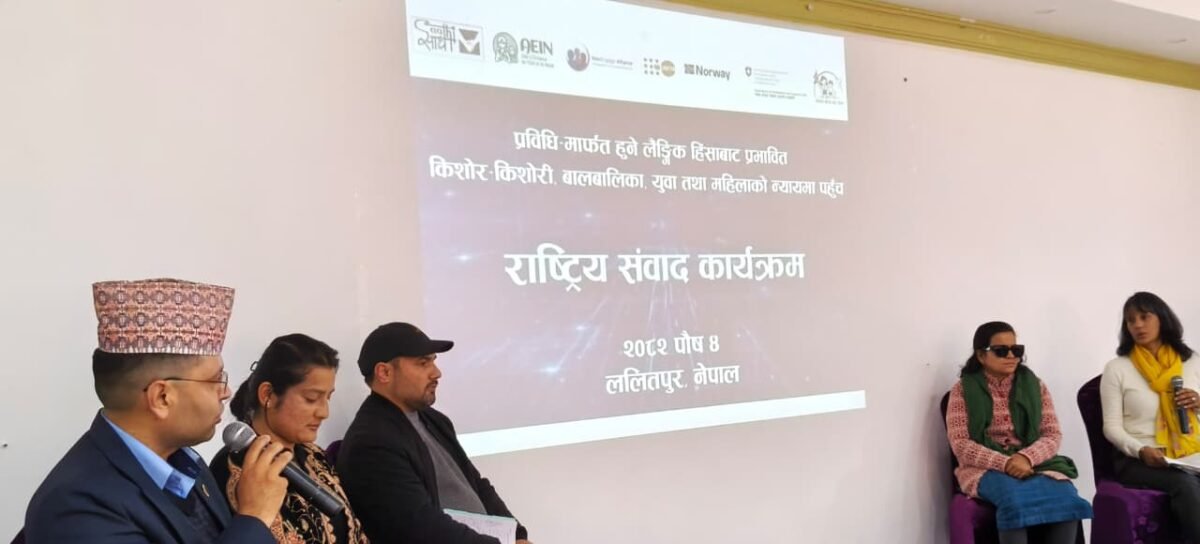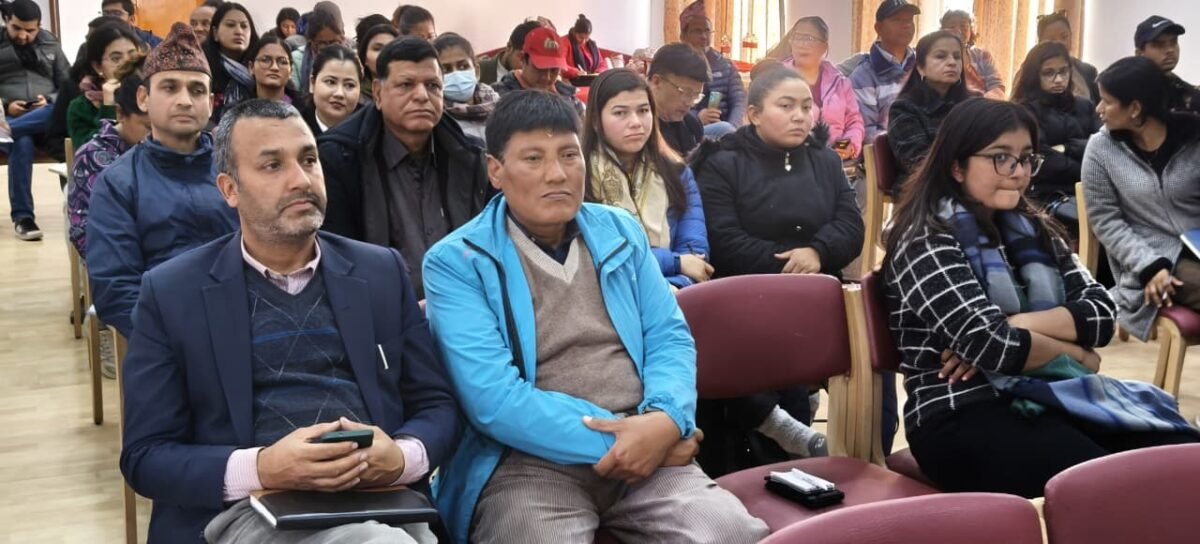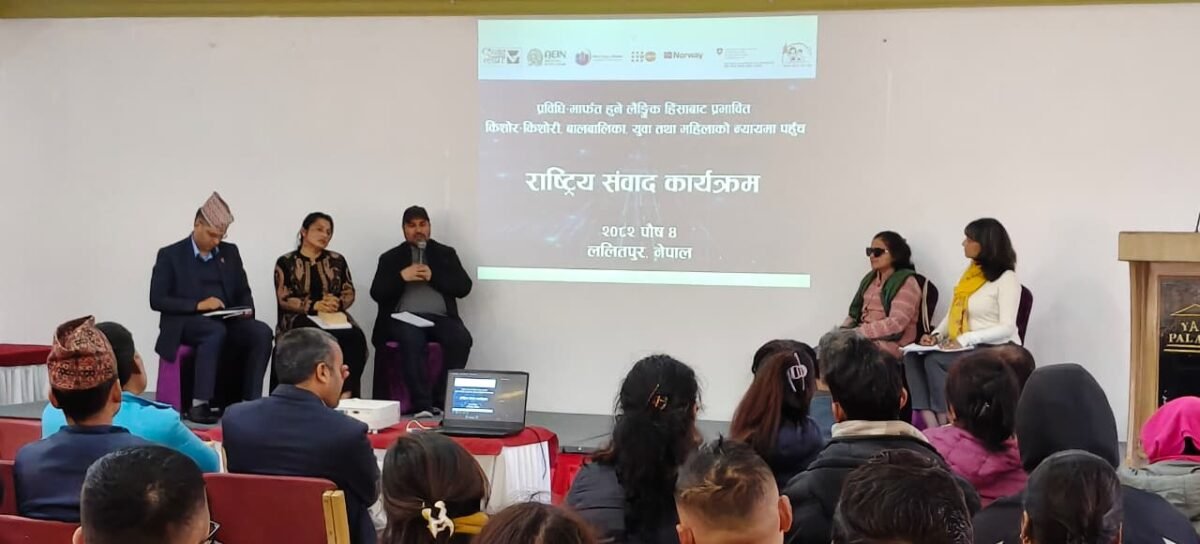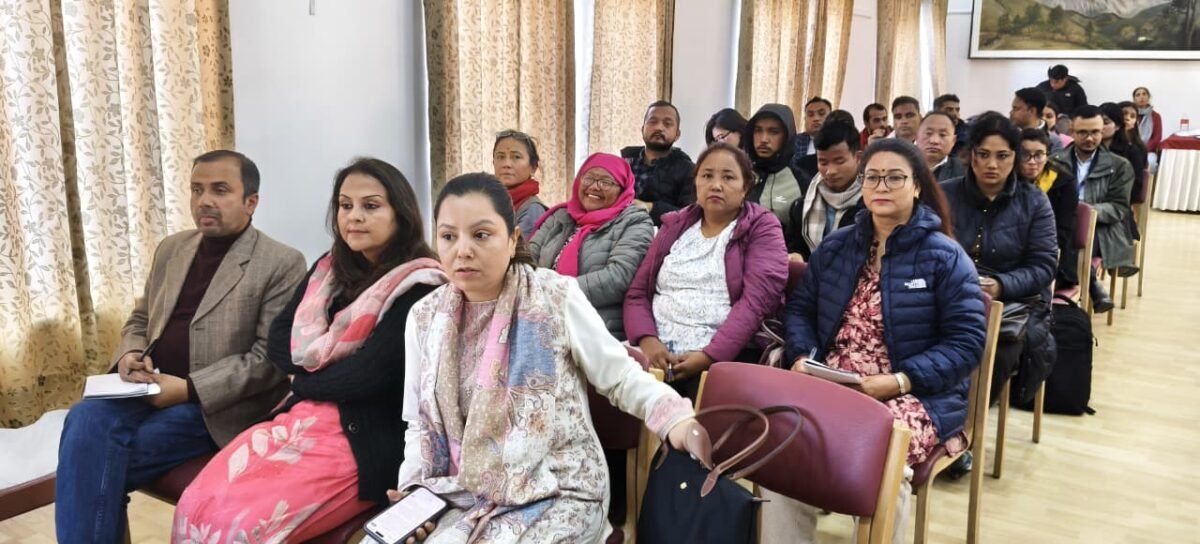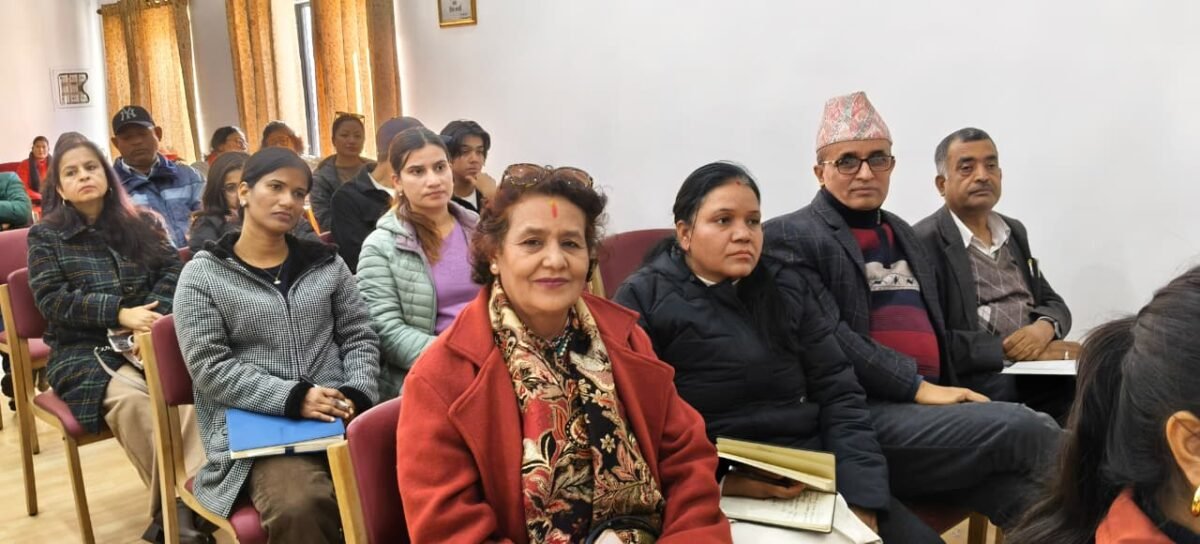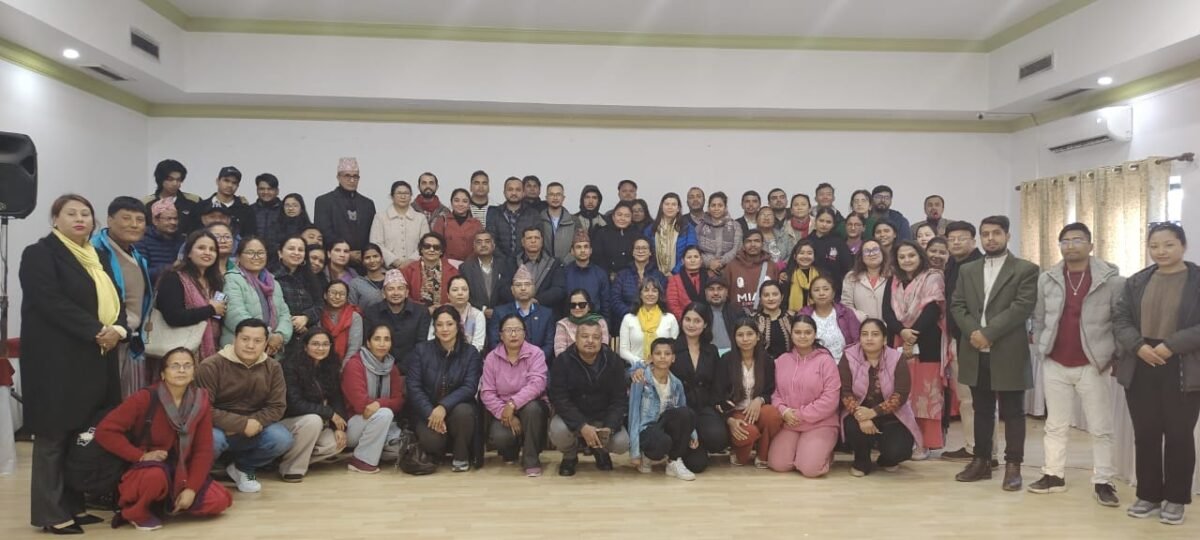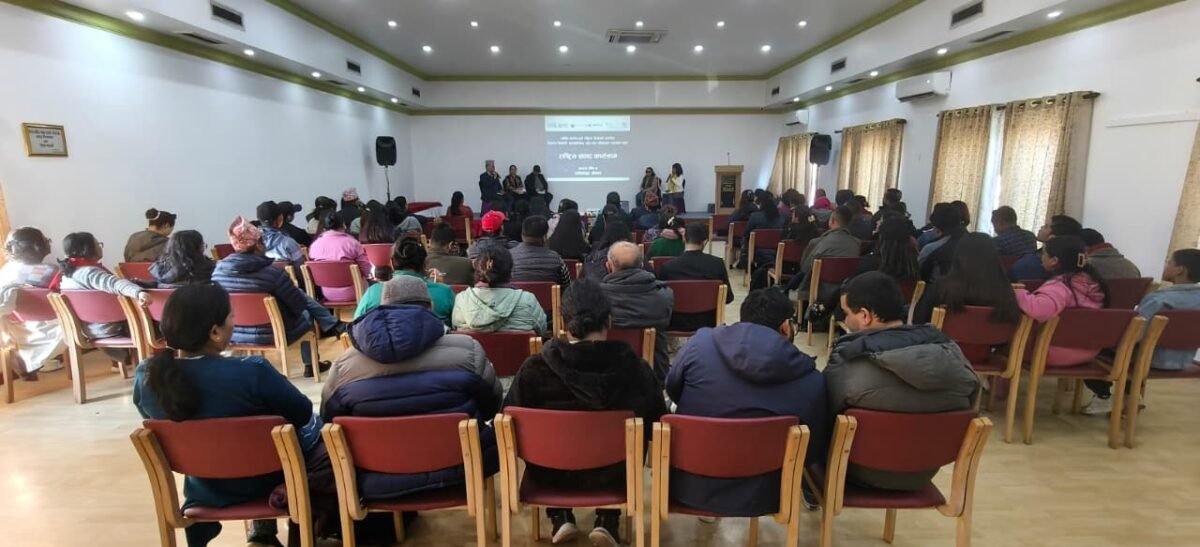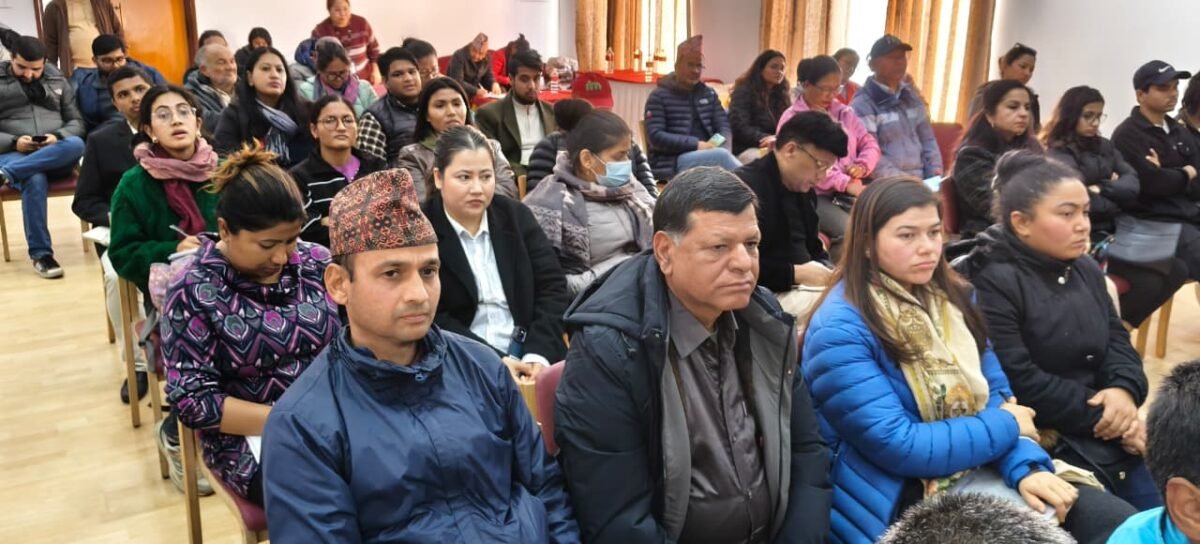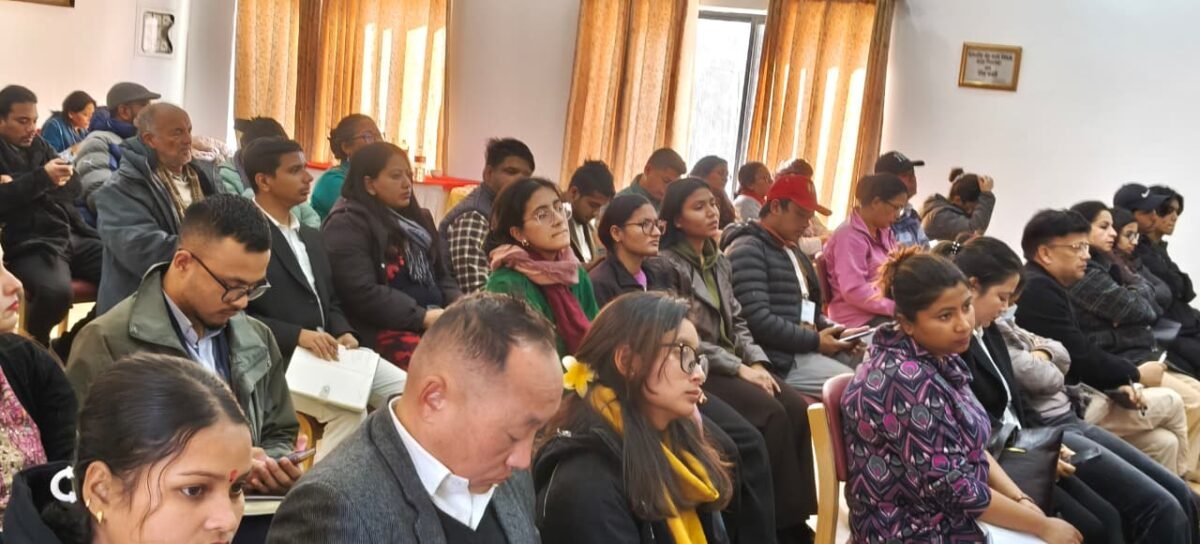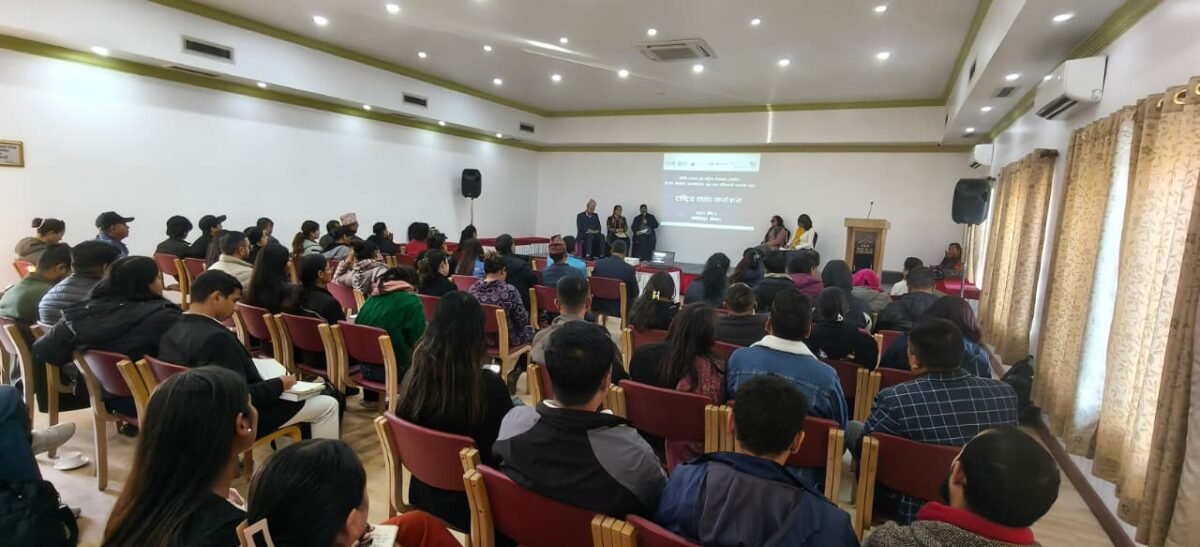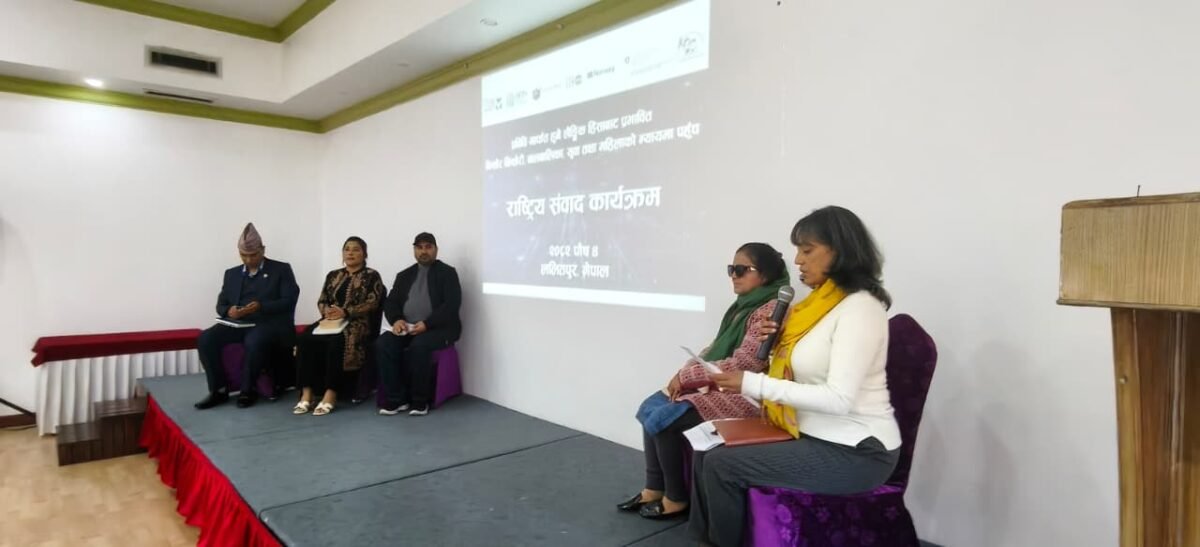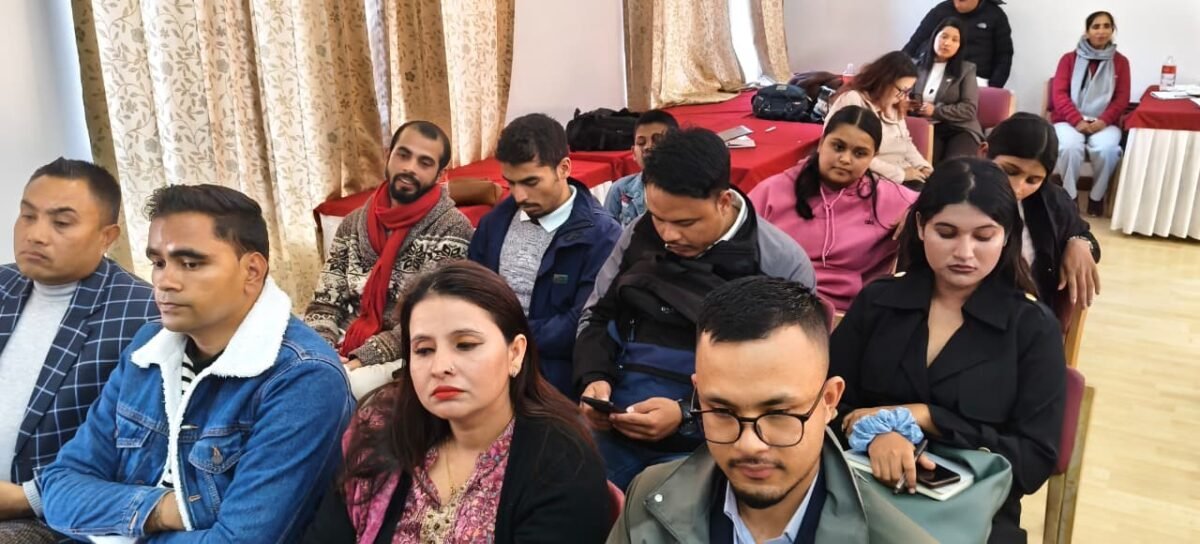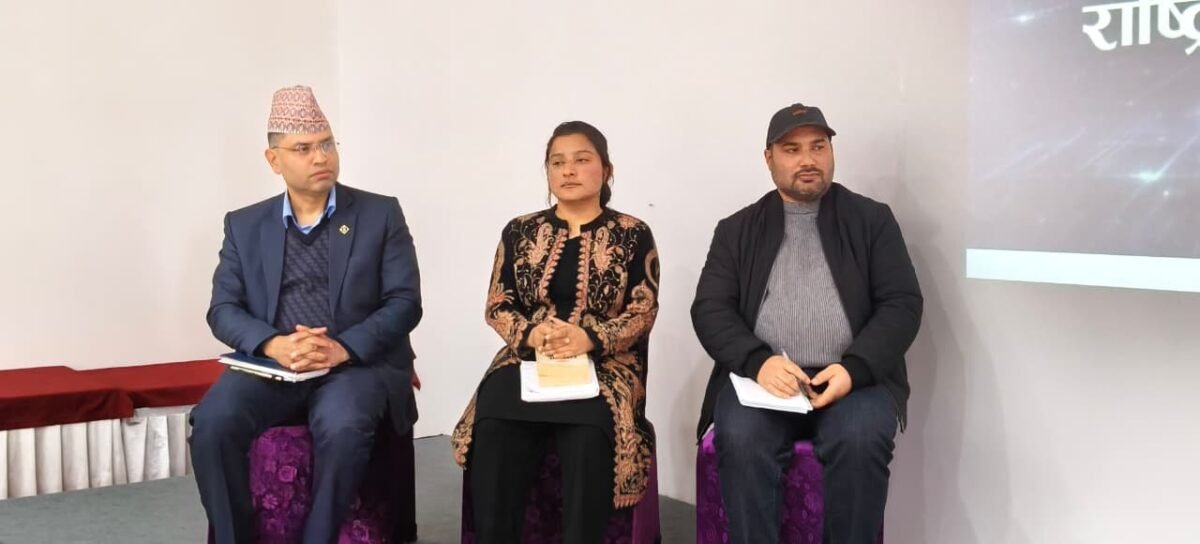
December 19, 2025, Kathmandu – Stakeholders from government, law enforcement, civil society and rights groups on Thursday called for coordinated and urgent efforts to rein in technology-facilitated gender-based violence (TFGBV), warning that it is taking a growing toll on the lives and livelihoods of women, children and adolescent girls across Nepal.
Speaking at a panel discussion on improving access to justice for survivors, Neera Adhikari, Under-Secretary at the Ministry of Women, Children and Senior Citizens, said existing laws have failed to adequately address the gravity and evolving nature of digital violence against women and girls.
She stressed that technology must be harnessed for positive use rather than misuse, noting that despite the opportunities created by information technology, harmful practices such as early marriage have increased due to social media influence.
Adhikari highlighted that marginalized women and girls, including those with disabilities, are among the most affected because of limited digital literacy and weaker access to justice. She informed that the ministry has initiated amendments to several laws, including the Domestic Violence (Offence and Punishment) Act, to better respond to technology-related gender-based violence, with further legal reforms currently underway.
Deepak Raj Awasthi, Superintendent of Police and spokesperson at the Nepal Police Cyber Bureau, said online grooming, non-consensual sharing of intimate images and digital extortion account for the majority of TFGBV cases. He emphasized that such incidents remain severely under-reported in Nepal due to stigma and fear.
Sharing a recent case involving an 11-year-old victim, Awasthi said technology-facilitated violence affects all age groups—from children to senior citizens. He pointed to gaps in Nepali law, where cyber violence is not clearly defined and flagged shortages of trained human resources at provincial levels and within women, children and senior citizens service sections of Nepal police.
Awasthi also raised concerns over the 90-day statutory limitation for case processing, explaining that delays in receiving data from foreign-based social media platforms often hinder investigations. He called for stronger institutional capacity and resources for the Cyber Bureau.
Intersex rights advocate Esan Regmi cautioned against narrowly defining technology as only phones or social media platforms. He said medical technologies are often misused to perform non-consensual surgeries on intersex children at birth, violating their bodily autonomy and causing long-term harm. He urged a broader understanding of technology-related rights violations.
Advocate Apsara Magar said Nepal’s legal framework has yet to mature enough to respond to rapidly evolving technologies, platforms and tools that enable swift data breaches and new forms of crime. She noted that women and children are disproportionately affected. Magar also criticized the growing trend of self-styled “YouTubers” posing as journalists and revealing the identities of GBV survivors without sensitivity, calling for stronger monitoring and accountability.
Facilitating the discussion, Pinky Singh Rana, Board Member, Saathi, said many TFGBV cases go unreported due to social stigma, fear of secondary victimization and shame associated with the circulation of intimate images.
Tilottam Poudel, Chair of Children as a Zone of Peace (CZOP), described TFGBV as a “new pandemic” with long-term impacts on survivors. He urged civil society actors to strengthen survivors’ capacity to speak out and to invest in rehabilitation and long-term recovery.
Suvekchya Rana, Executive Director of Saathi, said gender-based violence is increasingly intertwined with technology in one form or another. She warned that the rapid rise of artificial intelligence has further heightened risks for women and girls, particularly through the mass generation and amplification of patriarchal, misogynistic and harmful content across the web and digital platforms. Such content, she noted, reinforces unequal power relations, normalizes abuse and fuels new forms of technology-facilitated violence, often causing psychological, social and economic harm that extends far beyond physical violence. Rana called for collective action by governments, technology companies and civil society to make digital technologies more gender-responsive, safe and enabling for women and girls.
The panel discussion was organized under the Gender-Based Violence Prevention and Response programmes implemented by Saathi with support from UNFPA and AEIN-Luxembourg, and co-organized by Children as a Zone of Peace (CZOP) and MenEngage Alliance Nepal.