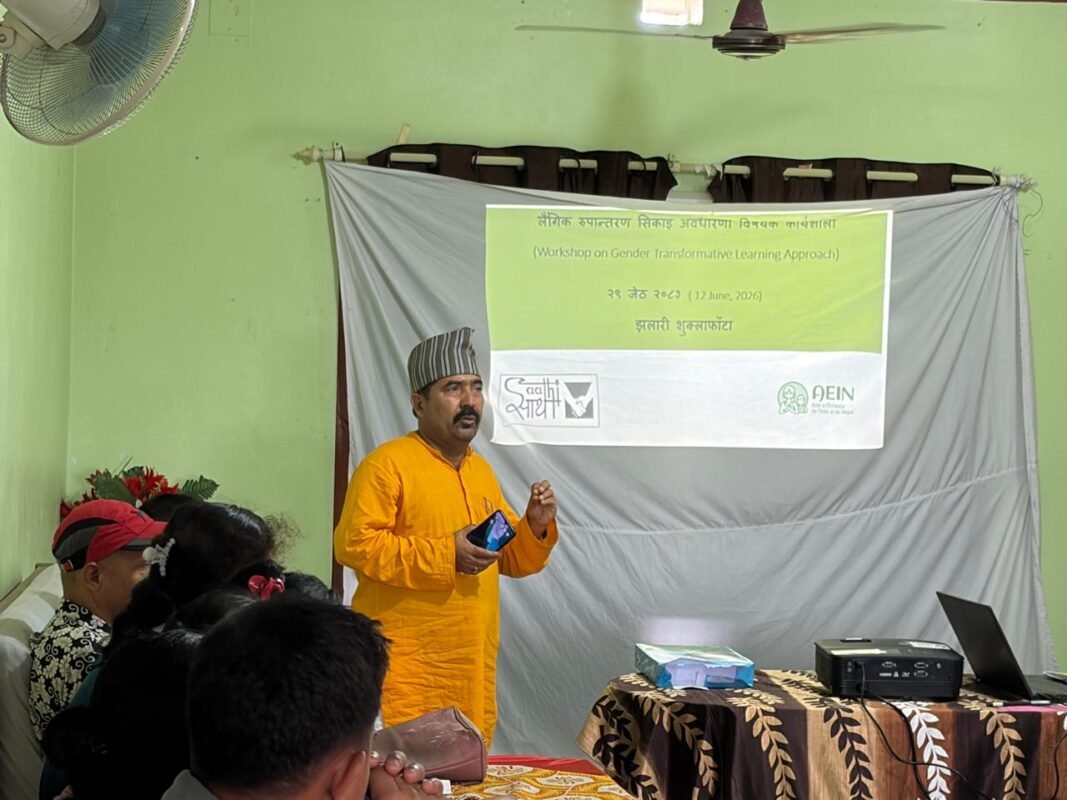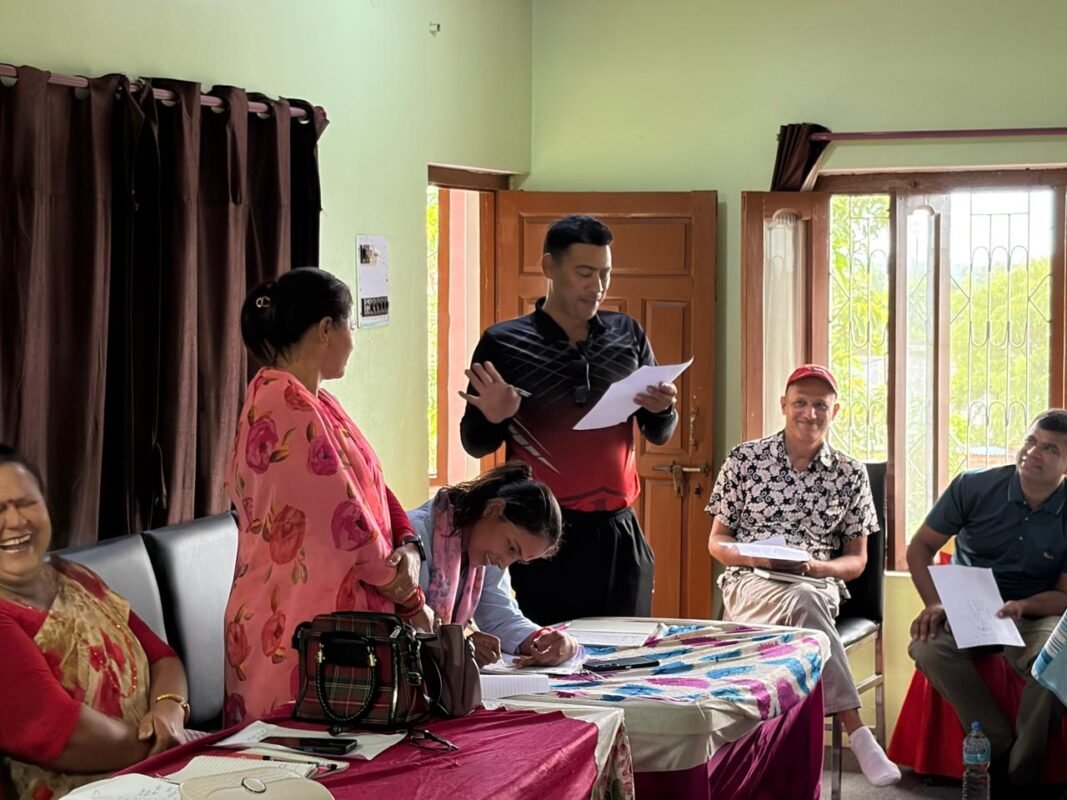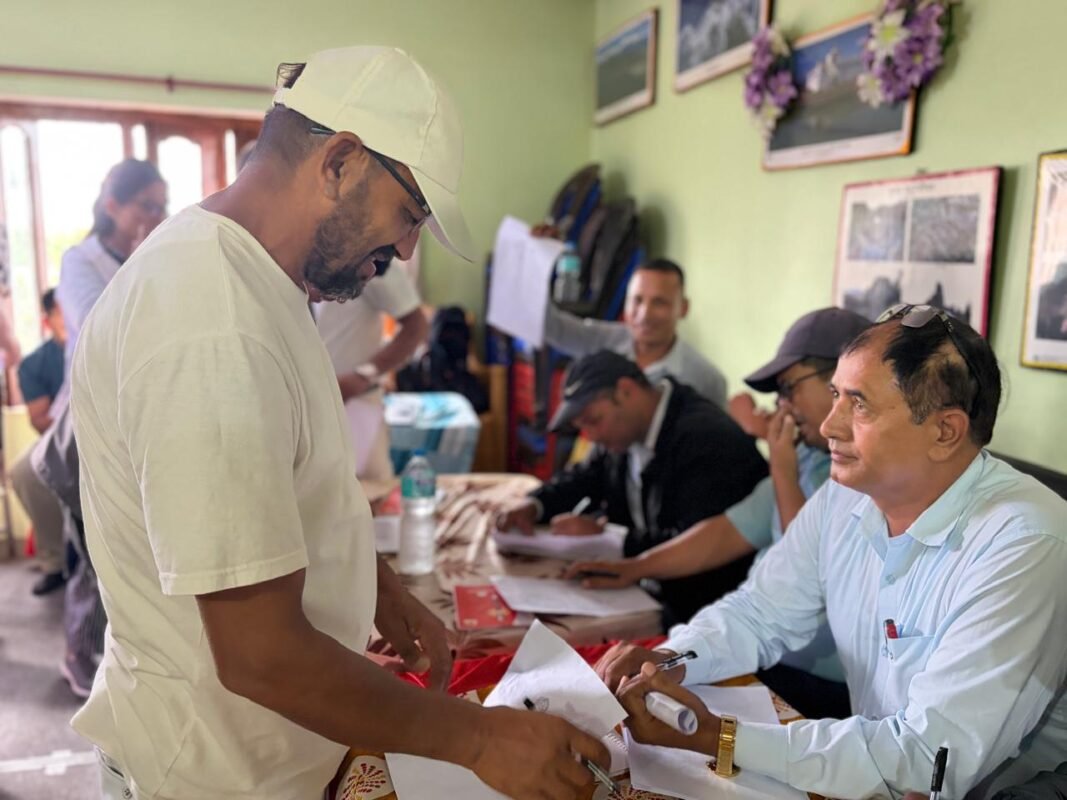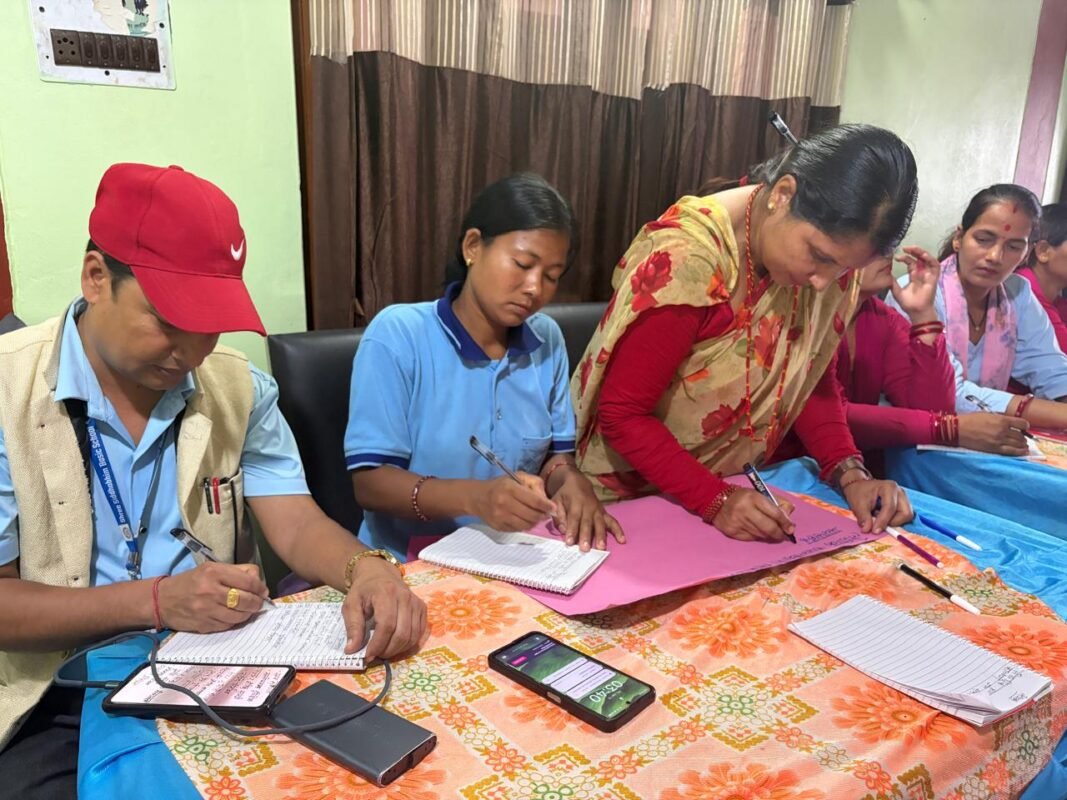
Kanchanpur, June 12, 2026 – Under the GOAL Project, Saathi successfully organized a Gender Transformative Learning Approach (GTLA) Workshop for community school teachers in Kanchanpur, aiming to strengthen their capacity to create inclusive, equitable, and safe learning environments for all students. The activities were implemented across both project areas under the GOAL Project with the support of AEIN – Aide à l’Enfance de l’Inde et du Népal and funding from the Luxembourg Ministry of Development Cooperation and Humanitarian Affairs and the Luxembourg Ministry of Environment, Climate and Biodiversity.
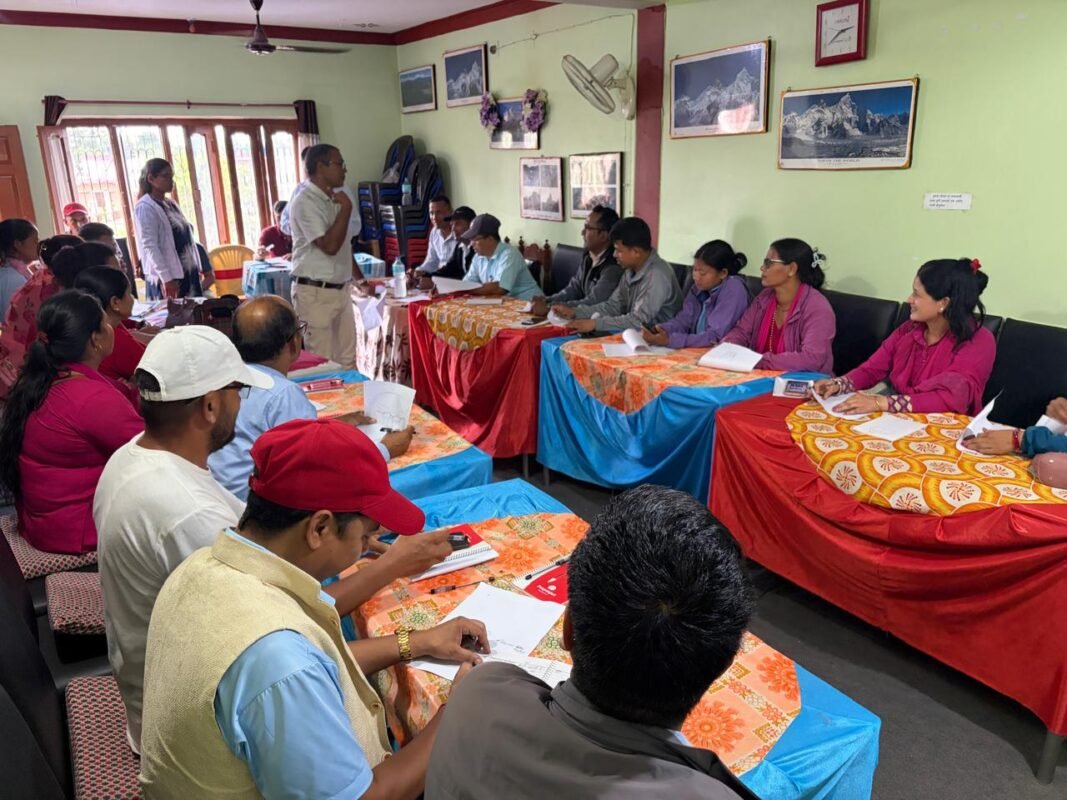
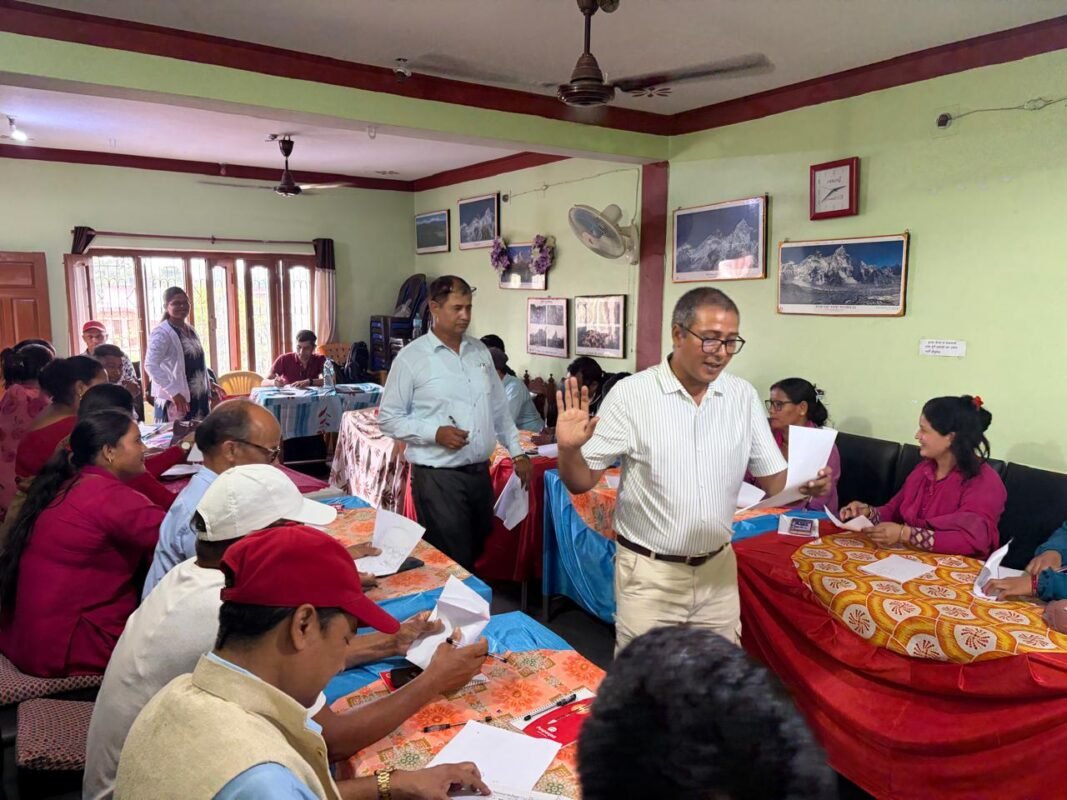
The workshop brought together 26 teachers from 11 community schools in the project areas of Shuklaphanta and Krishnapur Municipalities. The event focused on enhancing participants’ understanding of gender-transformative education and promoting practical strategies for integrating gender-responsive approaches into teaching and school management.
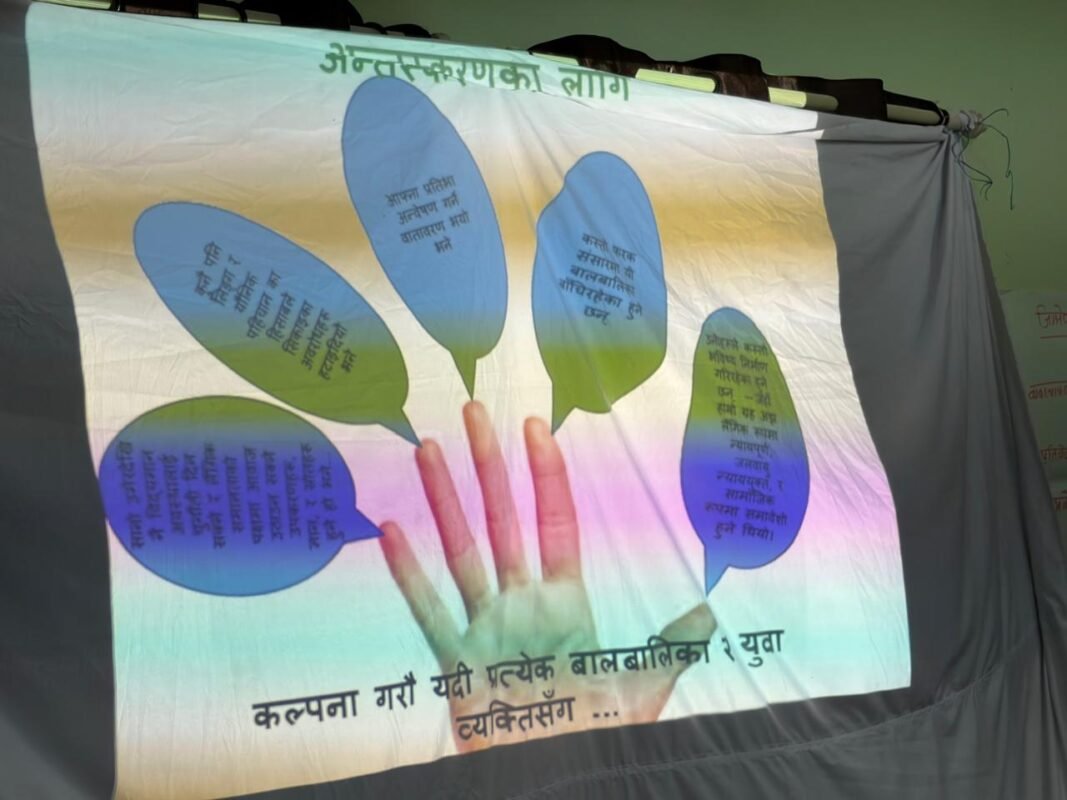
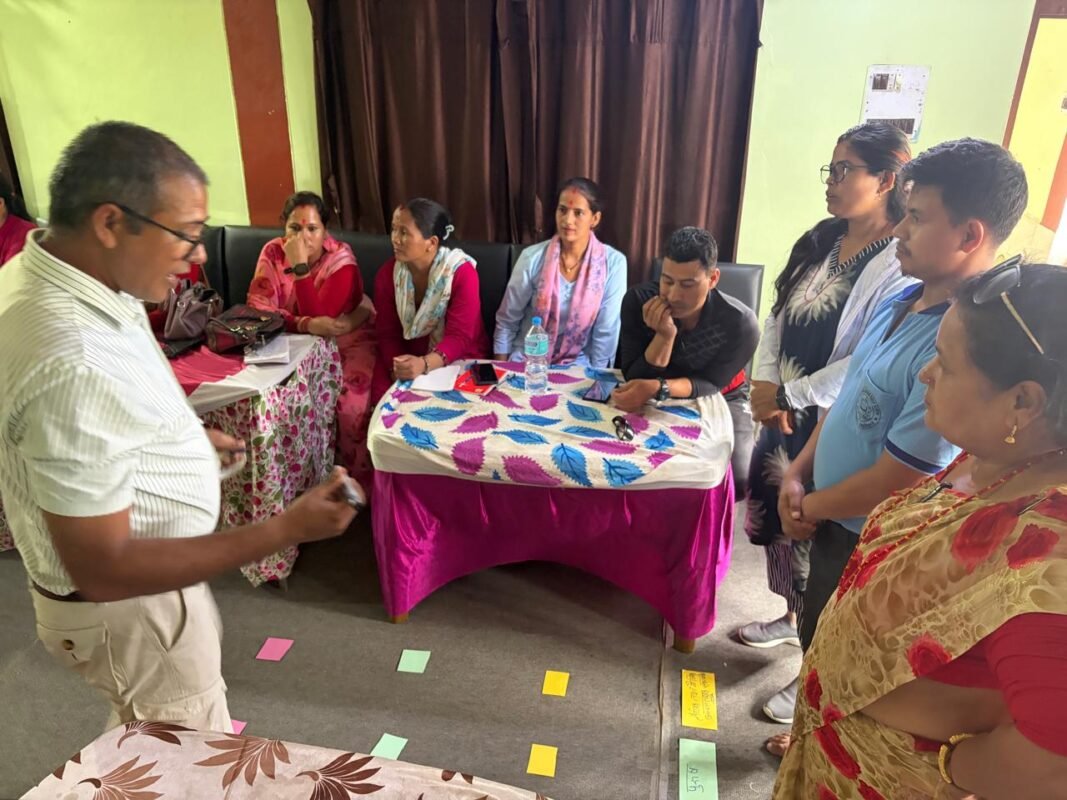
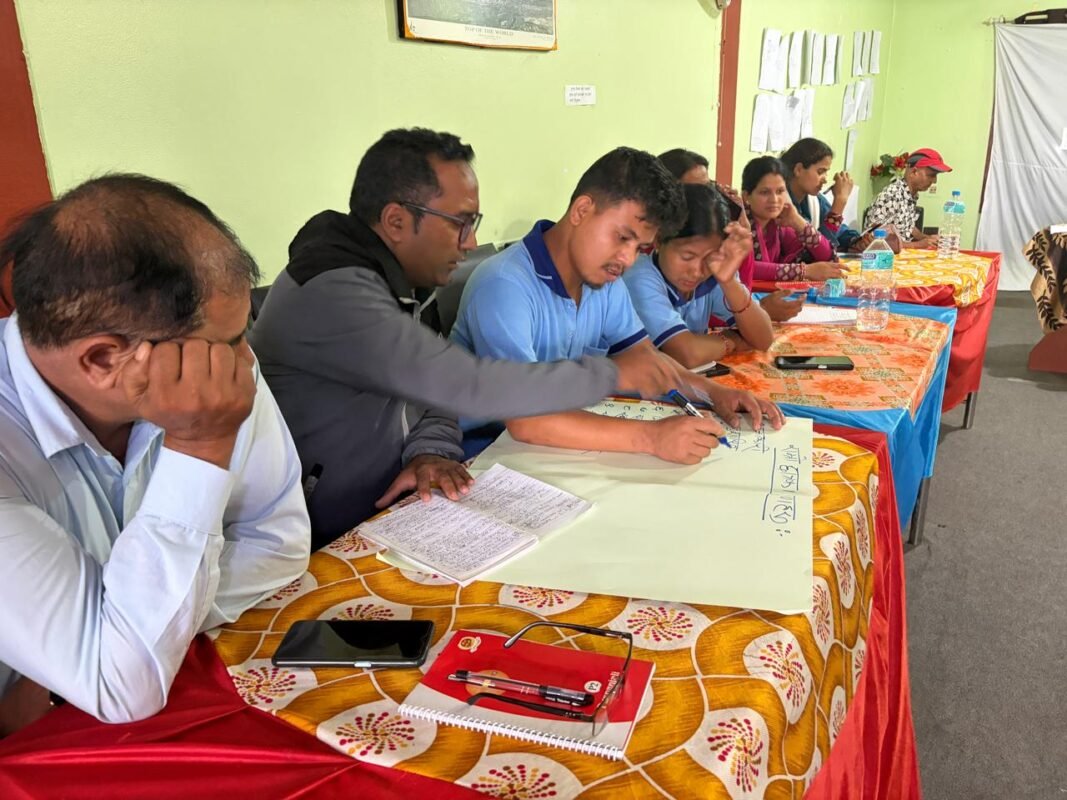
During the workshop, participants engaged in interactive sessions covering GTLA concepts, transformative learning practices, self-reflection on gender beliefs and biases, and the application of a gender lens in lesson planning, classroom management, school activities, and community engagement. Through group discussions, reflection exercises, and collaborative learning, teachers explored existing challenges and identified opportunities for creating more inclusive school environments.
Key issues highlighted during the workshop included the need to address traditional and gender-biased elements within school curricula, strengthen support systems for transgender and LGBTQI+ students, ensure equitable distribution of sports materials and extracurricular opportunities for girls and boys, and promote greater gender sensitivity in teachers’ interactions with female students.
The workshop resulted in several important outcomes. Participants gained a deeper understanding of gender-transformative education and inclusive teaching practices, while also recognizing gender-related barriers within schools that had previously gone unnoticed. Teachers expressed a strong commitment to integrating gender-responsive approaches into classroom teaching and school management processes. The discussions also emphasized the importance of strengthening adolescent information centers and promoting gender equality through school policies and community engagement initiatives.
Participants highly appreciated the workshop and recommended extending the duration of future trainings with more practical sessions to further strengthen the application of GTLA principles in their schools.
The workshop successfully enhanced teachers’ awareness, knowledge, and commitment to fostering inclusive, equitable, and gender-responsive learning environments, contributing to the broader goal of ensuring that all students can learn and thrive in safe and supportive schools.