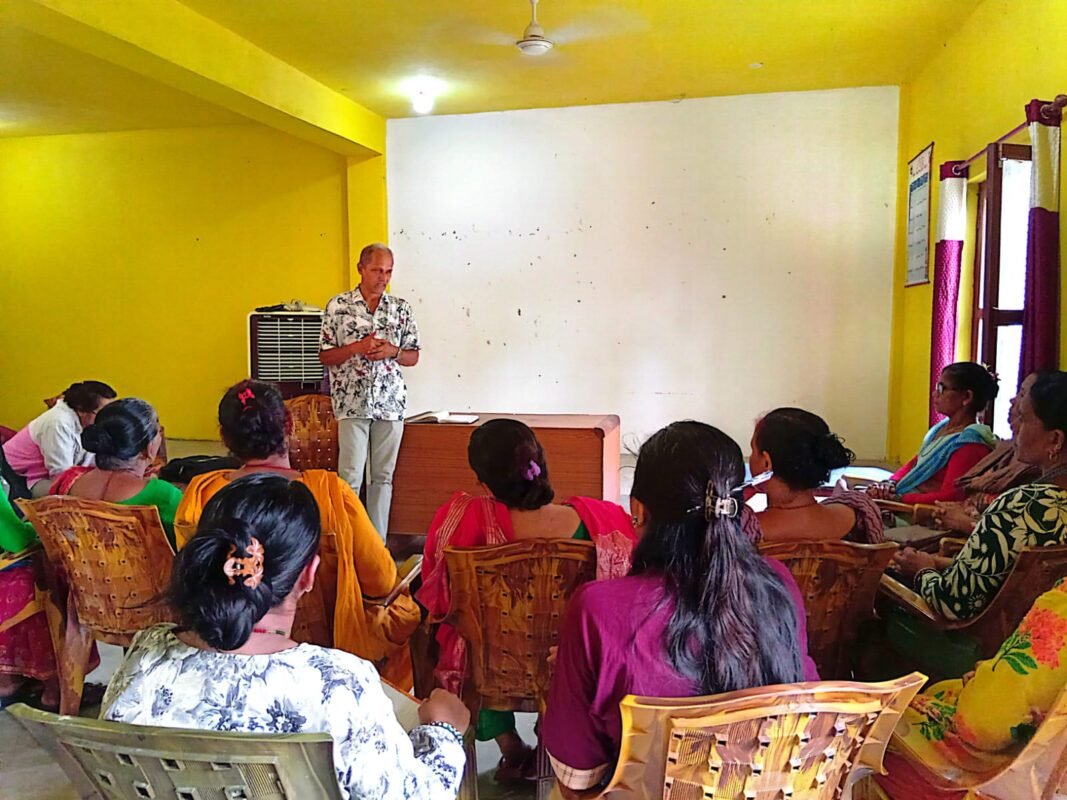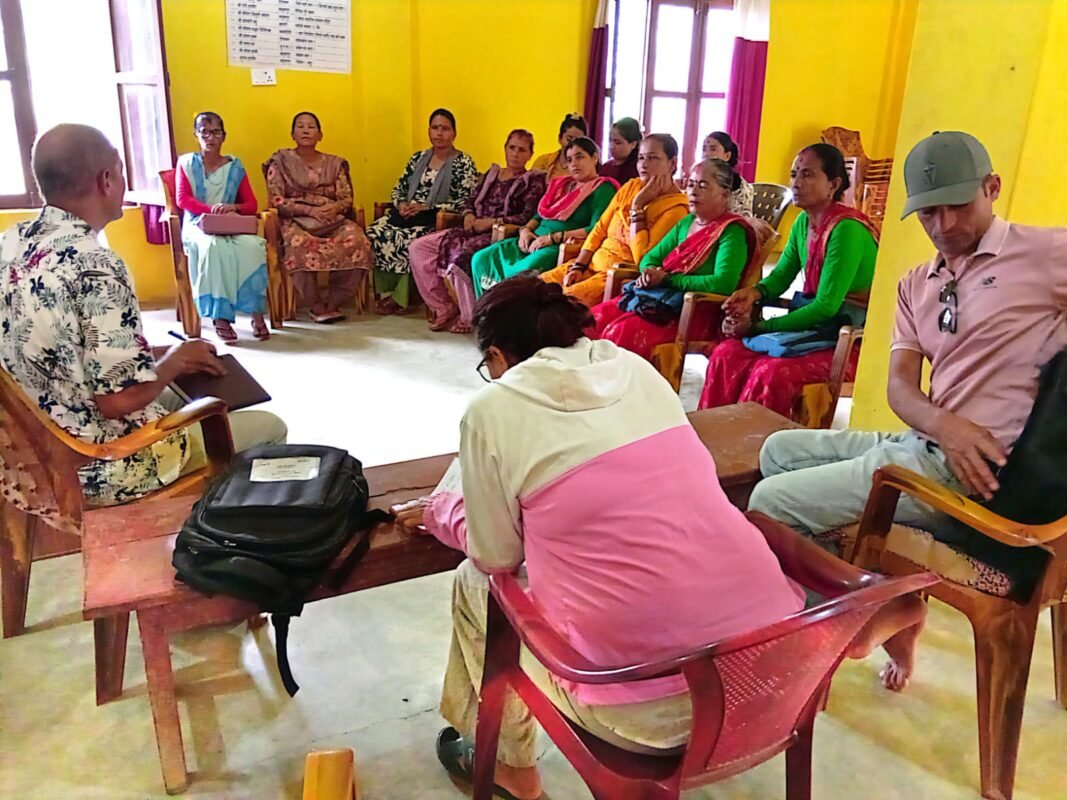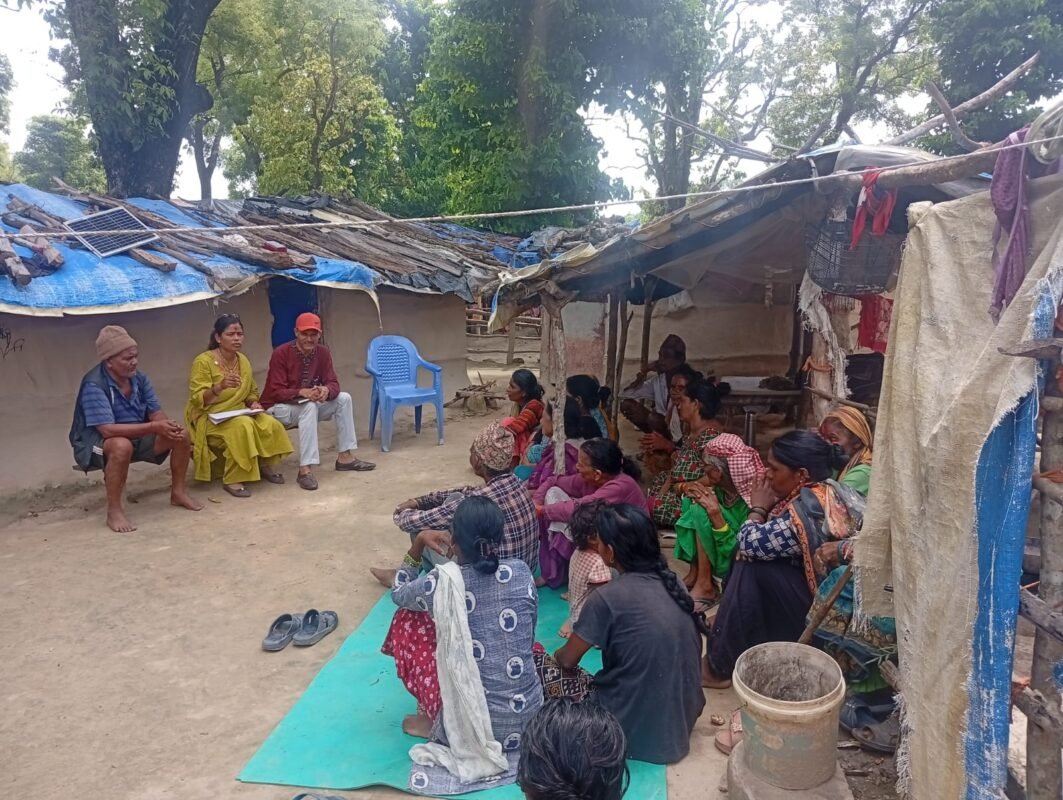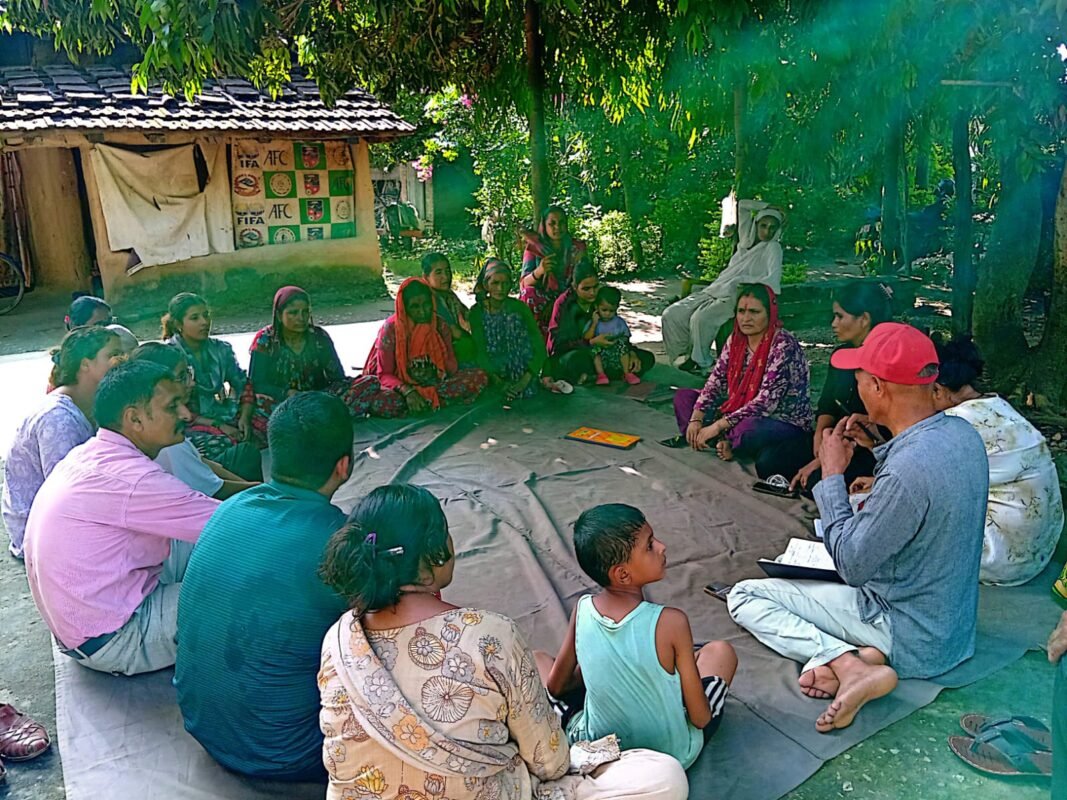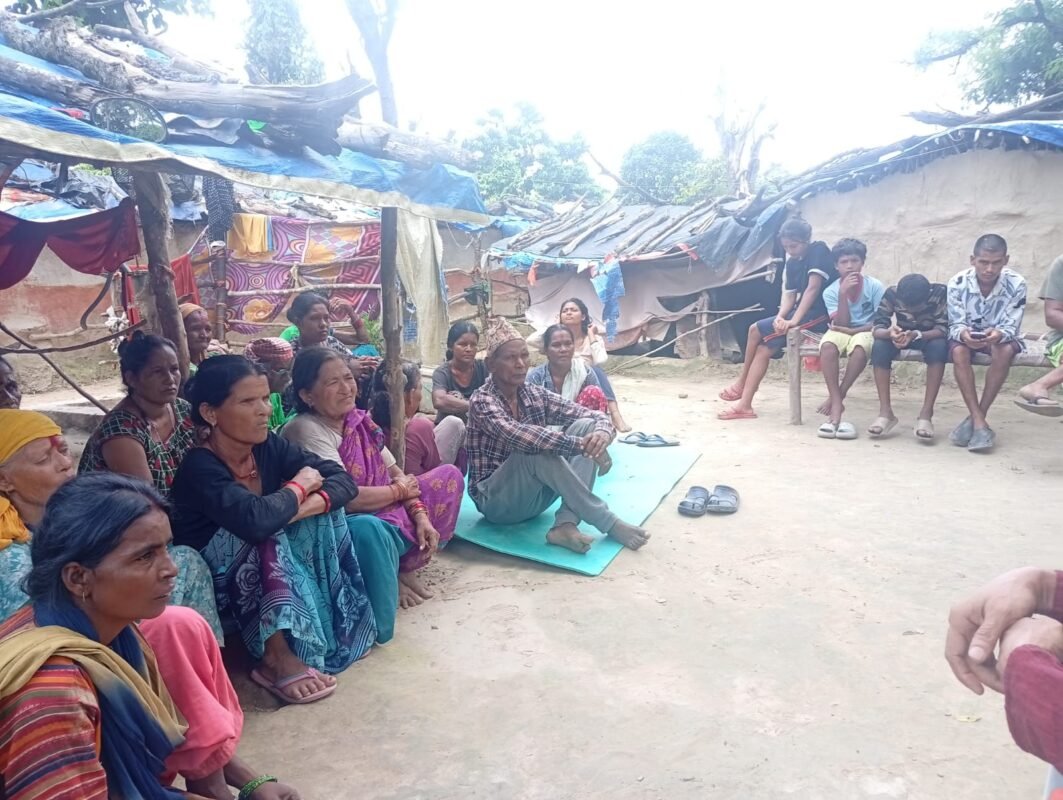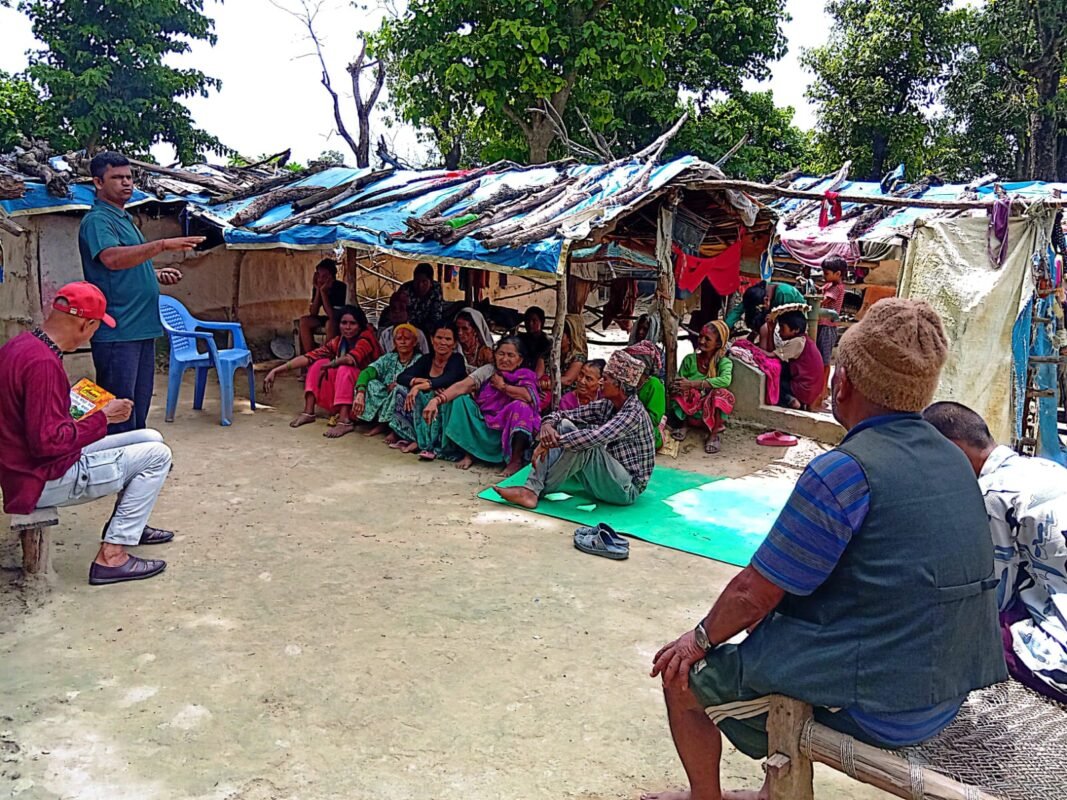
Kanchanpur, Nepal | July 31, 2026 – Saathi successfully conducted four community dialogues across the project areas between 17 and 31 July 2026 to strengthen community engagement in preventing gender-based violence (GBV) and addressing harmful gender norms and practices. The activities were implemented across both project areas under the GOAL Project with the support of AEIN – Aide à l’Enfance de l’Inde et du Népal and funding from the Luxembourg Ministry of Development Cooperation and Humanitarian Affairs and the Luxembourg Ministry of Environment, Climate and Biodiversity.
The dialogues brought together 72 community members, providing an inclusive platform for open discussions on the root causes of GBV and the social and cultural norms that perpetuate discrimination and inequality. Participants reflected on harmful practices such as child marriage, menstruation-related taboos, unequal gender roles and other discriminatory social norms that continue to affect women and girls.
The sessions also explored the psychosocial impacts of GBV and harmful practices, highlighting how these issues undermine the dignity, confidence, wellbeing and meaningful participation of women and girls in their families and communities. Through interactive discussions, participants examined the importance of promoting gender equality, challenging harmful stereotypes and fostering supportive community environments where women and girls can live free from violence.
Throughout the dialogues, community members emphasized that transforming long-standing social norms requires sustained efforts, collective responsibility and continuous community engagement. Participants shared that while harmful practices remain a challenge, they are witnessing gradual positive changes in attitudes and behaviors within their communities, demonstrating that consistent awareness and dialogue can contribute to meaningful social change.
By creating safe spaces for reflection and discussion, the community dialogues reinforced the vital role of local communities in preventing GBV and promoting gender equality. The initiative further strengthened community ownership and encouraged participants to become advocates for positive social transformation, contributing to safer and more equitable communities for all.