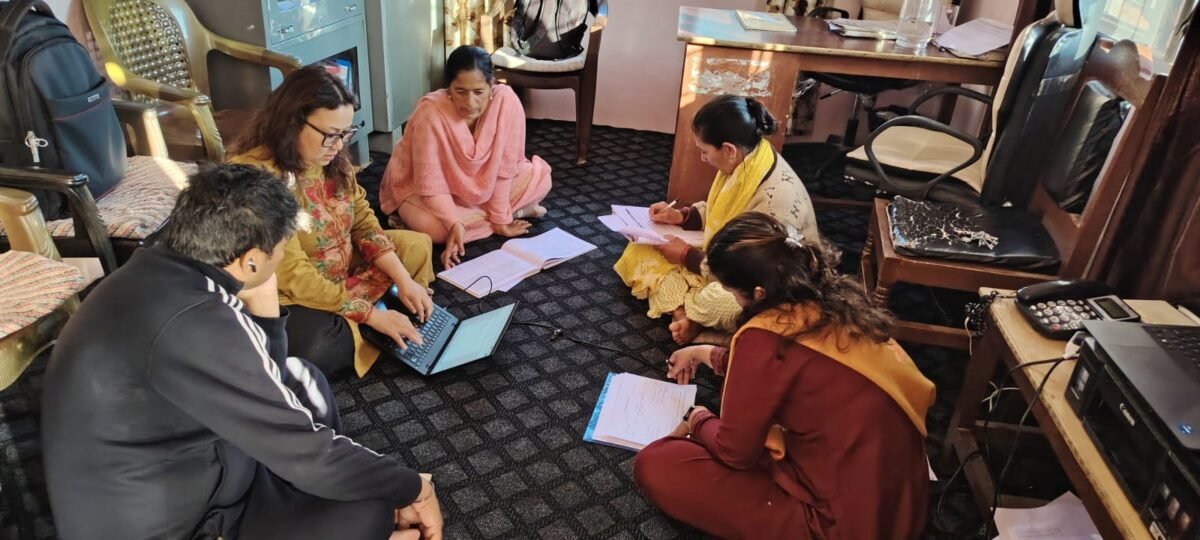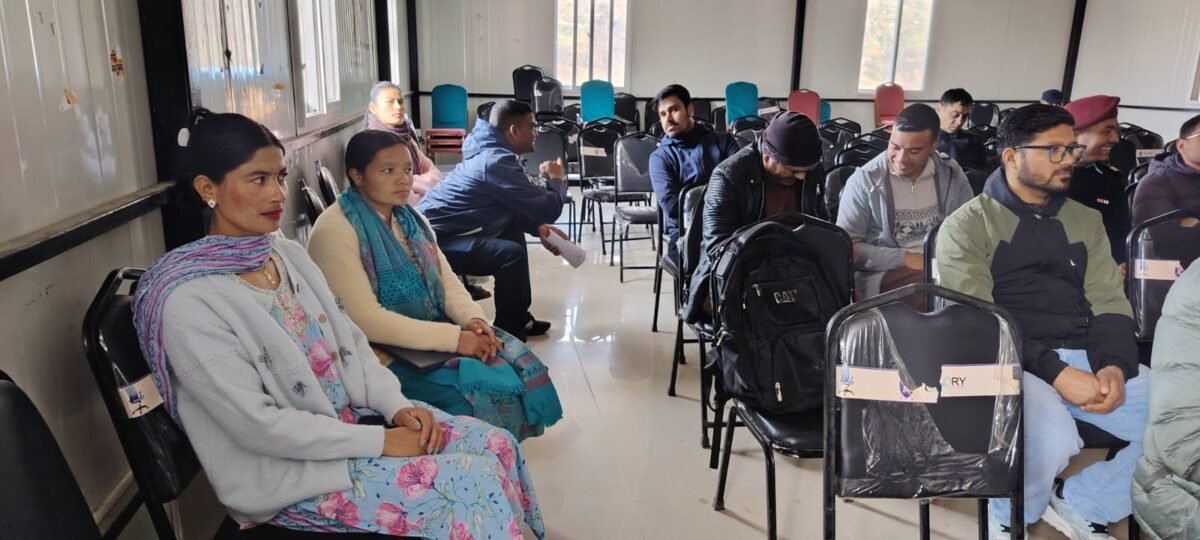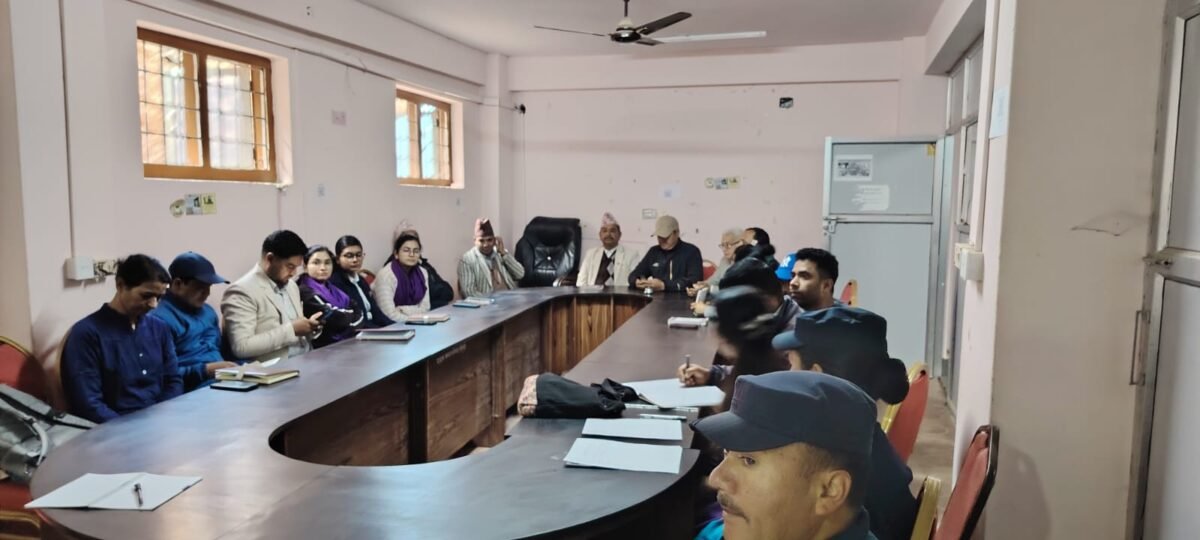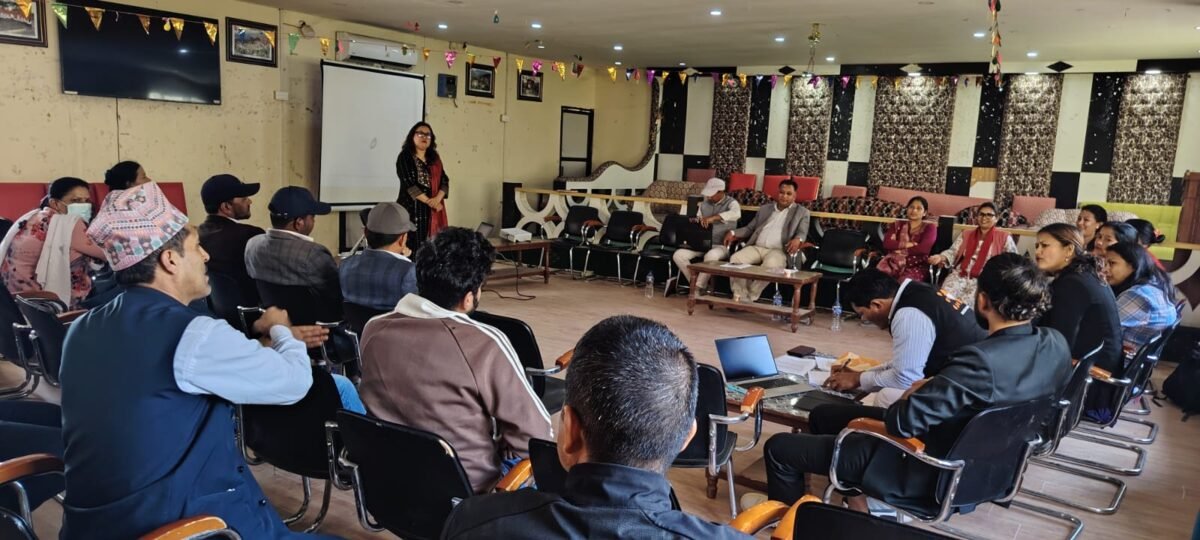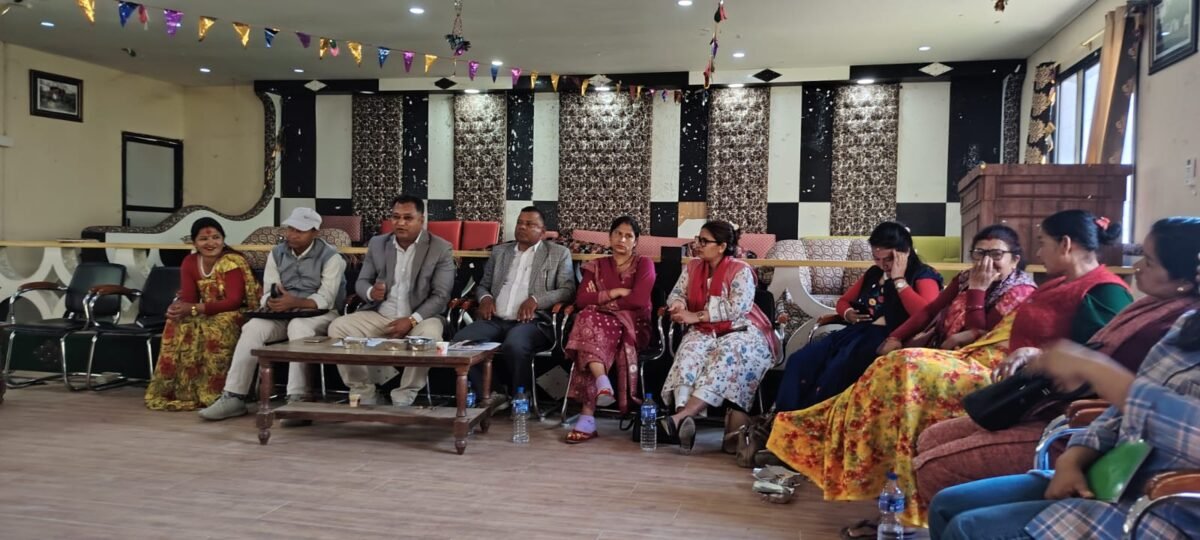
From 17–30 March 2026, Saathi conducted a joint monitoring mission under the GBVPR II and EWPN programmes across seven districts of Sudurpashchim Province to assess the quality, effectiveness, and sustainability of gender-based violence (GBV) response services. The monitoring confirmed that both programmes are effectively reaching survivors through a balanced model of shelter-based and community-based support, supported by strong referral systems linking survivors to legal, health, protection, and reintegration services.
As part of the mission, advocacy meetings were held in Achham, Bajhang, Bajura, and Baitadi, alongside GHM meetings in Achham, Bajura, Bajhang, Baitadi, and Kanchanpur, and District Coordination Committee meetings in Doti—strengthening coordination and accountability across districts.
A key highlight of the monitoring was the growing commitment from local governments. Municipalities acknowledged the critical role of safe houses and expressed their willingness to sustain these services beyond the project period by allocating budget, supporting operational costs, and strengthening referral linkages. In several districts, local representatives—including mayors, deputy mayors, and ward officials—reaffirmed their commitment to institutionalize safe house services within local government systems.
Significant progress has been made in improving safe house infrastructure, strengthening multisectoral coordination, and enhancing collaboration with municipalities, police, and service providers. Coaching and mentoring support to safe house staff, along with case management training and career counselling sessions for survivors, have further strengthened service delivery and recovery pathways.
Overall, the programmes demonstrate a strong shift toward system strengthening—laying the foundation for locally owned, sustainable, and survivor-centred GBV response services in Sudurpashchim Province.