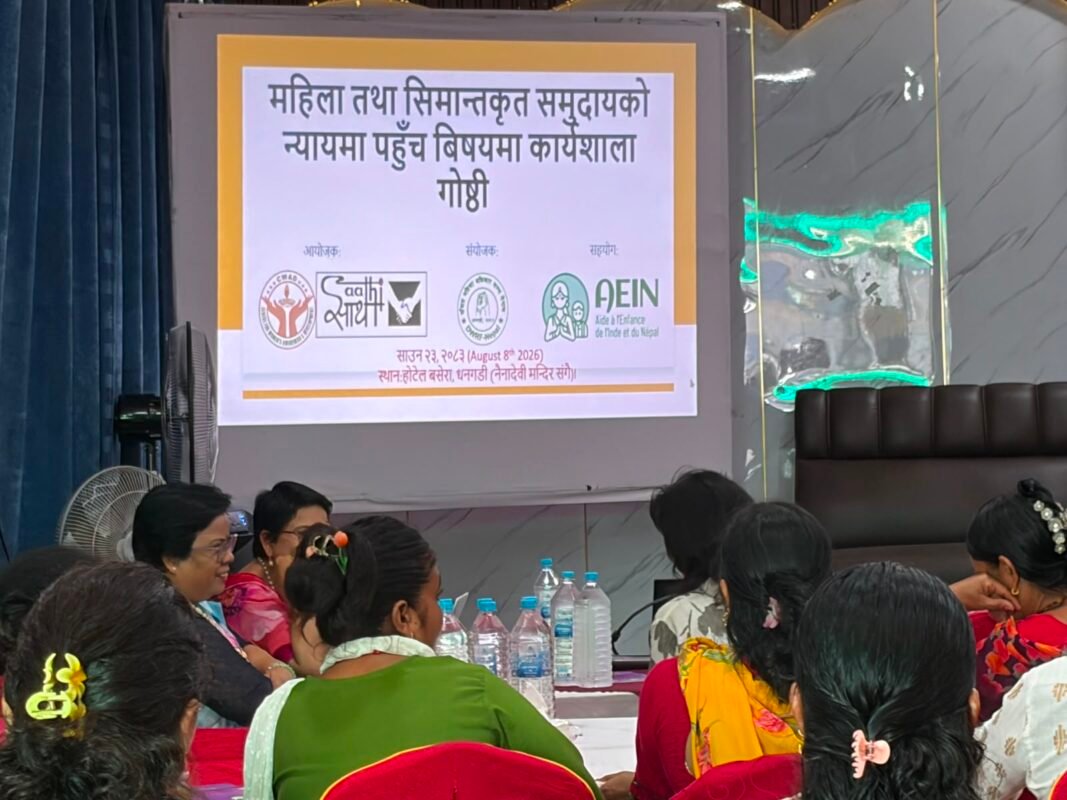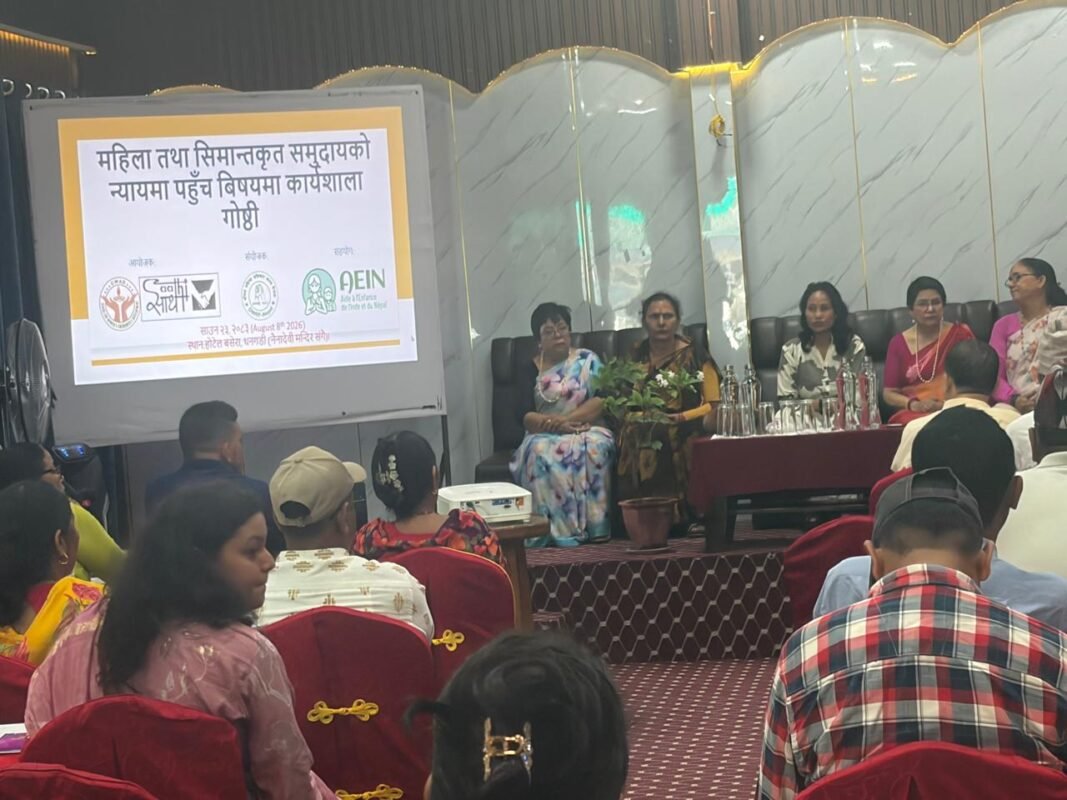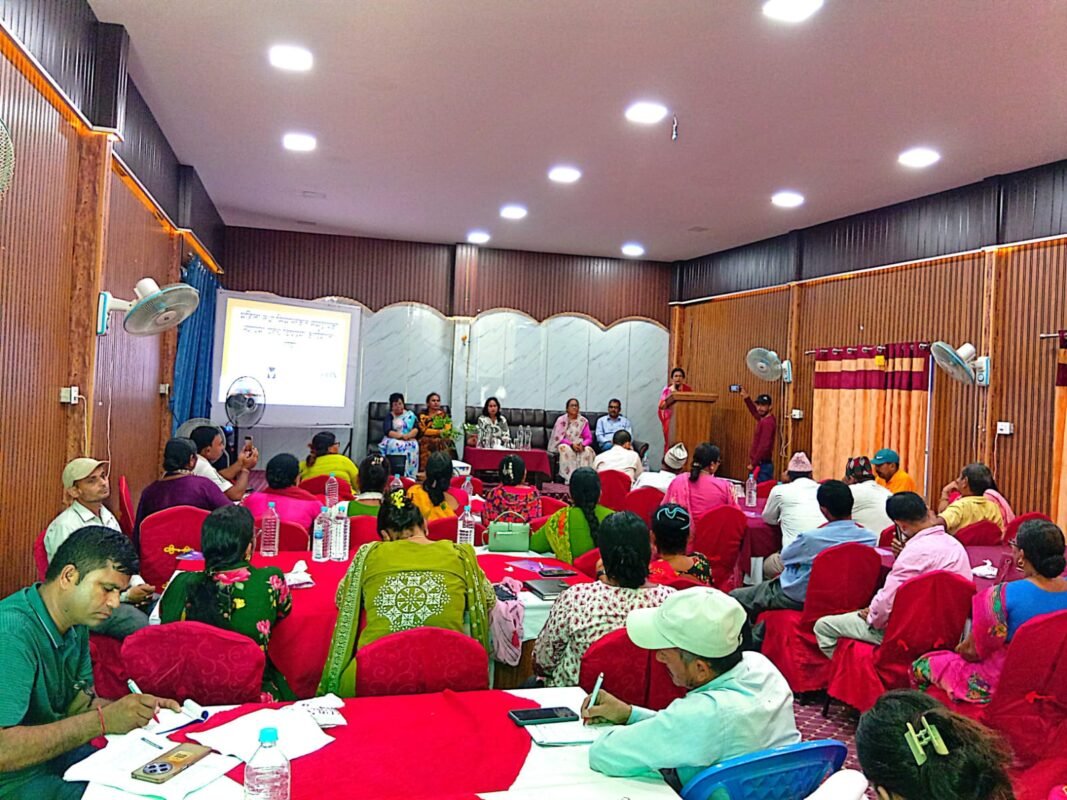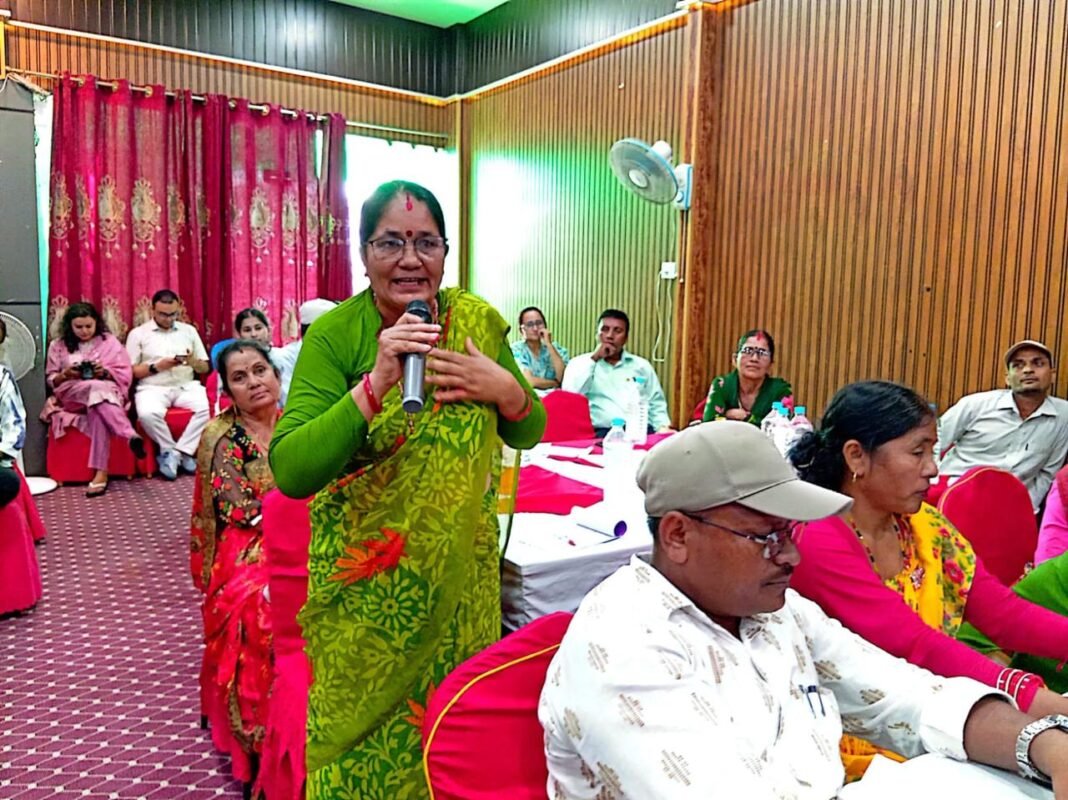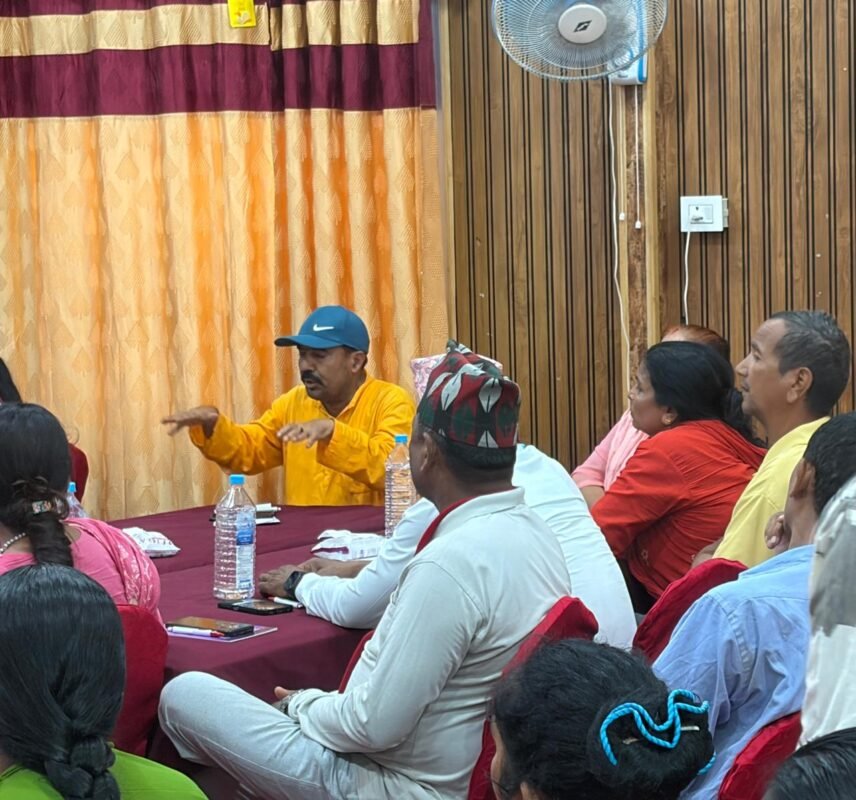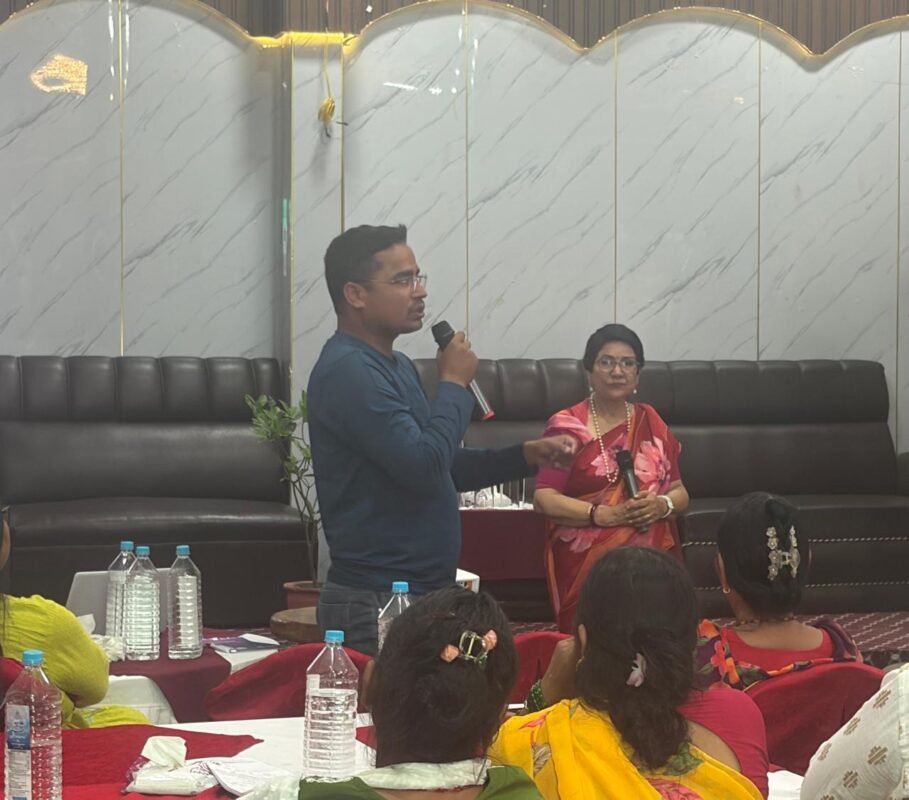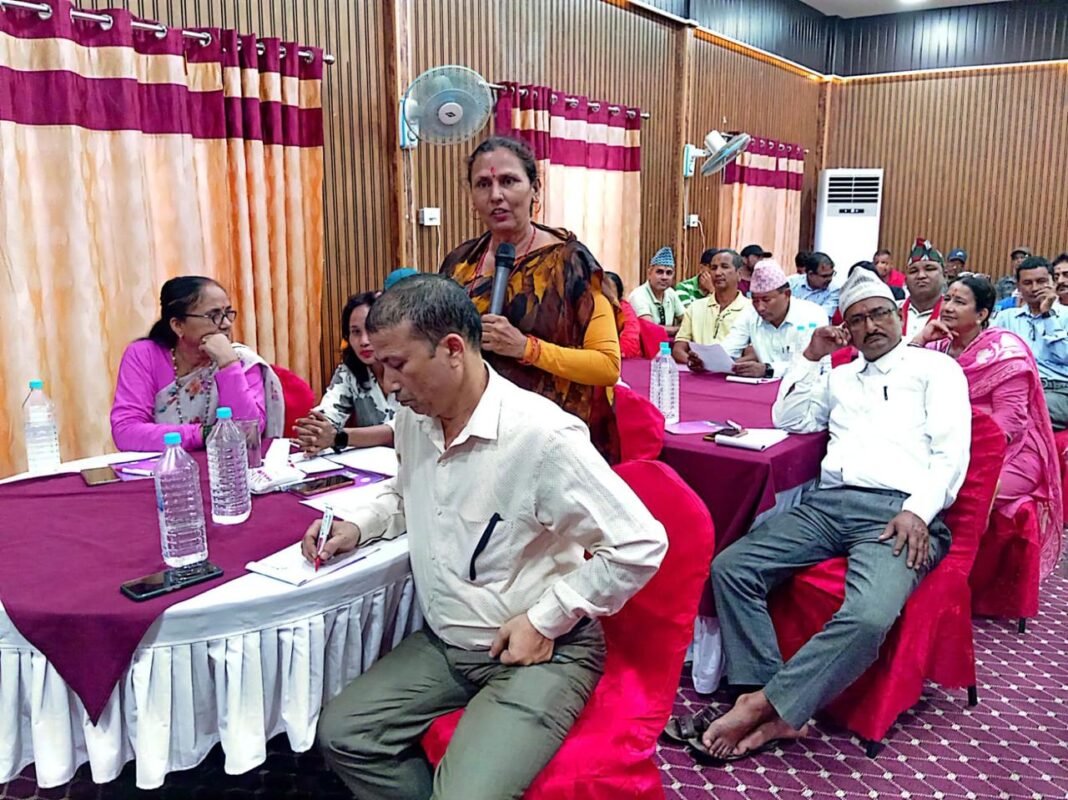
8 August 2026, Sudurpaschim Province – Saathi, in collaboration with CWAD, organized a capacity-building program for Judicial Committee representatives and local government officials on 8 August 2026. The program aimed to strengthen participants’ understanding of the Convention on the Elimination of All Forms of Discrimination against Women (CEDAW), civil registration and legal identity, and Gender Equality, Disability and Social Inclusion (GEDSI), while promoting more inclusive and gender-responsive local governance.
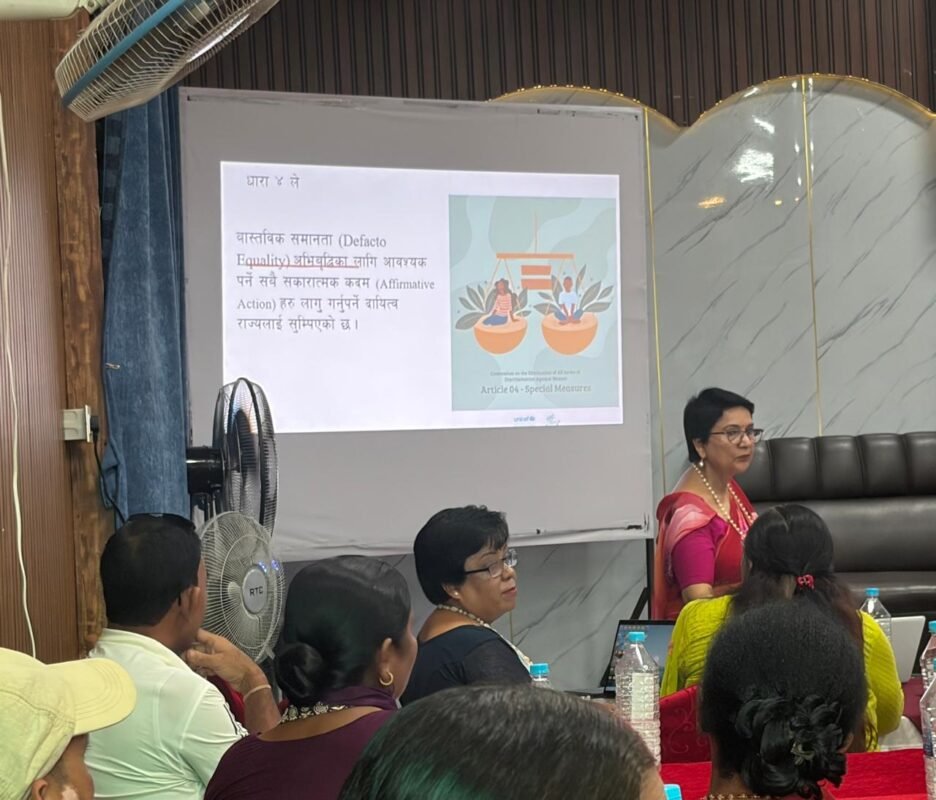
The program highlighted key provisions of CEDAW, focusing on the principles of non-discrimination, equality, and State obligations. Participants discussed practical ways of mainstreaming these principles across the three tiers of government through laws, policies, plans, and programs, with particular attention to the role of local governments and Judicial Committees.
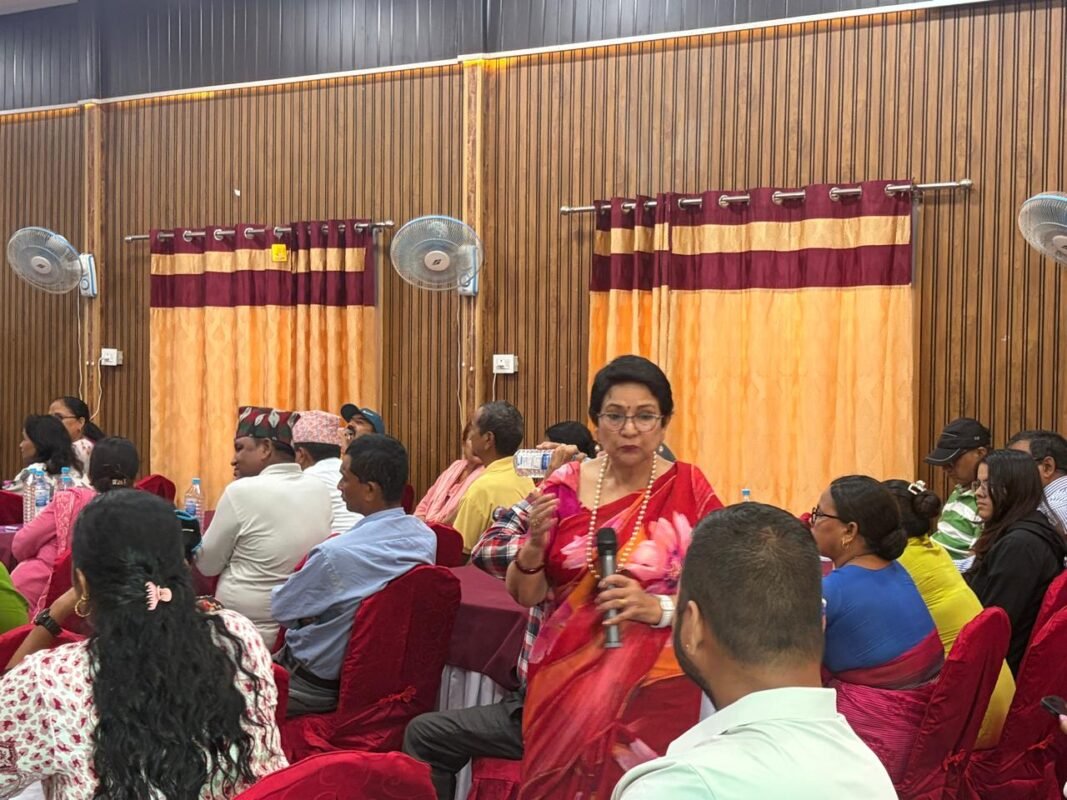
The sessions also explored the important linkages between vital registration, legal identity, human rights, and gender equality. Participants shared practical cases involving survivors of gender-based violence who had experienced difficulties in obtaining birth and marriage registration, citizenship, and accessing inheritance rights. Discussions also focused on complex cases involving absent or deceased parents, foreign fathers or spouses, and women facing barriers in establishing their legal identity or claiming their rightful share of family property.
These case-based discussions helped participants look beyond administrative procedures and recognize how gaps in legal identity and documentation can directly affect an individual’s dignity, security, access to essential services, and ability to seek justice. Facilitators discussed relevant legal provisions and possible responses to such challenges, while encouraging local institutions to adopt more inclusive, gender-responsive, and rights-based approaches.
The program strengthened participants’ understanding of how CEDAW principles can be integrated into local governance and Judicial Committee processes. It also provided practical learning to support more inclusive, gender-sensitive, and rights-respecting decision-making at the local level.
A total of 16 participants, including the Deputy Mayor, Ward Chairs, Judicial Committee members, and local government officials from the GOAL Project areas, participated in the program. The joint initiative was supported by AEIN – Aide à l’Enfance de l’Inde et du Népal under the GOAL Project. The sessions were facilitated by Dr. Shashi Adhikari and Dr. Anita Shrestha.