Background:
Saathi with its five consortium partners has been implementing “Addressing Social Barriers That Hampers the Advancement of Women” (ASTHA) program since January 2016. The program envisions a violence free society for women and girls to exercise their rights and lead a dignified life.The program was initially implemented in eight districts (Bajura, Kanchanpur, Dang, Kapilbastu, Siraha, Mahottari, Sindhupalchok and Dolakha). In the second year, the program related to post earthquake support in Sindhupalchok and Dolakha, completed its tenure in Jan 2017. Therefore, persentlythe project is being implemented in six districts where five districts are led by consortium partners (Dalit Jana Kalyan Yuba Club (DJKYC) at Siraha, Women Cultural Development Center (WCDC) at Mahottari, SISEA Nepal at Dang, Conflict Victim and Single Women Development Center (CVSWDC) at Kanchanpur and PEACEWIN at Bajura) and Kapilbastu is led by Saathi district office. .
At the community level, the program is focused on raising awareness on Gender Based Violence (GBV) and building accountability and sensitivity of the community people and stakeholders on GBV issues.
For this, the program is coordinating with government and non government stakeholders at national and local level. The effective implementation of the law against GBV and ensuring access to justice to GBV victim are the core areas of the program
Engaging Men and Boys has been one of the effective tools that the program has adopted for changing the mindset of the community and transforming perpetrators into peer educators and change agents. The program has also adopted strategic interventions such as community level awareness and advocacy campaigns, dialogue with service providers, sensitizing stakeholders, interaction with national and local level authorities, anti alcohol campaigns, etc.
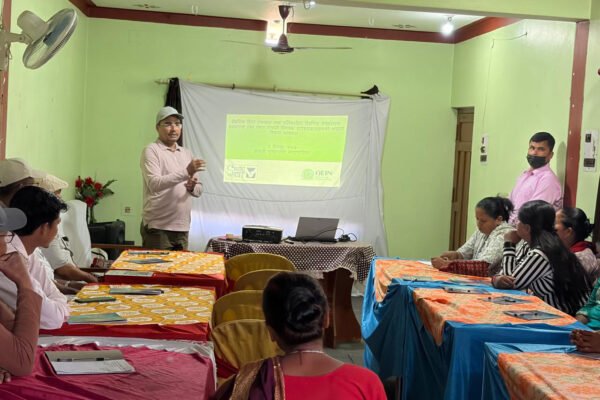
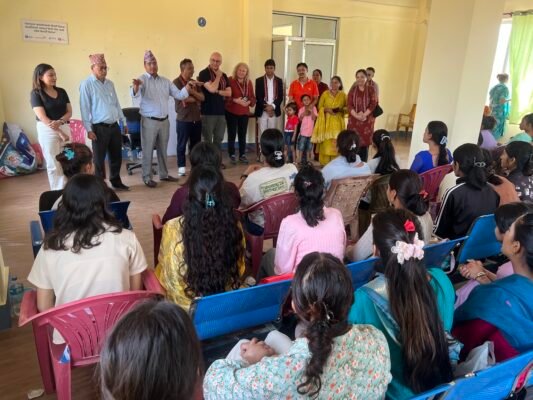
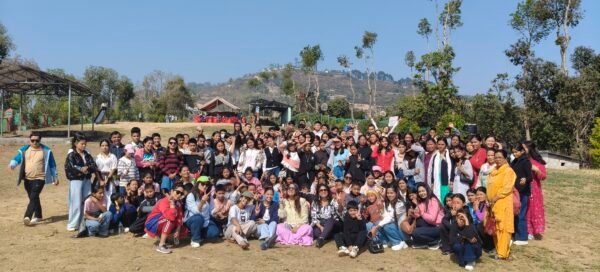
During its second year review workshop Saathi showcased detailed intervention strategies of the program in its working districts, its achievements, and outcomes along with challenges, lesson learnt and way forward.
Each district partners presented and captured their two years work in an innovative gallery presentation. The presentations highlighted:
- Major achievement with at least three to five success stories.
- Major issues/problems obstructing the program activities
- Efforts made for achieving success
- Different stakeholders engaged in the program
- Interventions taken to resolve foreseen problems
- Tools used to bring transformative changes (Awareness raising, study, assessment, evidence generation, dialogue, legal polices and social mobilization tools )
- Identified Strategies to sustain achievements gearing towards long term sustainability.
- Major learning
- Challenges and coping mechanisms.
Issues or areas covered in presentation are:
- Alcohol
- Chaupadi
- Child Marriage
- Dowry
- School intervention
- Support in GBV case handling and enhancing access to Justice.
- Coordination and collaboration with the police
- Learning and impact from men’s groups’ and working with male perpetrator
Major Achievements:
- Established sustained coordination with local authorities and elected officials
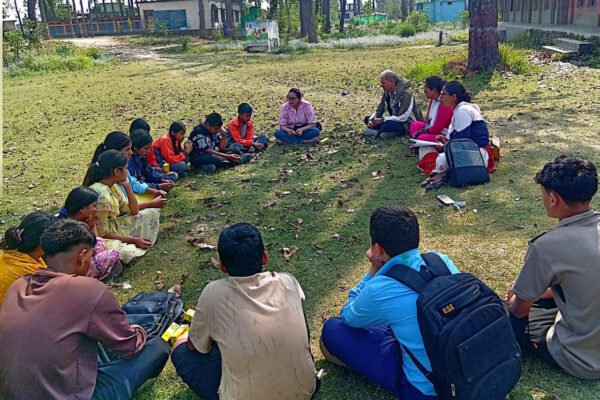
- Substantial engagement of men and boys and school students proven to be very effective for changing mindset at all levels against GBV. Male silence against GBV has been broken and more and more men have started advocating against GBV
- Establishment of GBV fund for GBV survivors (where?)
- Effective mobilization of students for practical implementation of the policies and action plans (what action plans and what policies)
- Majority of the newly elected representatives (including males) were part of ASTHA programs’ community groups and were actively engaged in the GBV campaigns, Hence their leadership is envisaged to continue with their new role as elected representatives.
- Ownership by local level very much demonstrated throughout the program VDCs and Districts
- Strong Movement Building against Child marriage, Chhaupadi, Dowry, Alcohol abuse has started in the program districts
- Enabling environment for the GBV survivors to speak up in and to access justice
- Significant number of child marriages have been stopped due to active community and students interventions
- Violence is being identified and accepted as major social and political issue due to which access to justice has become quite easier
- Government agencies, police, local level offices, women and children offices felt increased accountability and working more sincerely
Major Challenges
- Changing the traditional mindset of community members against the prevailing social norms is very challenging which is hindering victims of domestic violence to access justice.
- In the context of the changing federal system new models and strategies needs to be worked out to work effectively with stakeholders and local government.
- As the funding support of the program is ending in 6 months the fear that the momentum gained in significant achievements and movement building may fizzle out in the lack of further support to build on and replicate what has already been achieved. Initiations that are to be continued to achieve the desired impact and community still need support to carry forward such initiatives.
Lesson Learnt
- Working with elected officials is easier when we engage them in all aspects of GBV program
- Community members need both guidance and motivation to build and sustain ownership of the community issues.
- Government authorities can be made more responsible if we make them accountable for certain issue. For example, we supported government to declare GBV free zones providing them technical support only.