“Creating Violence Free Homes and Societies”
Background:
This program is to the continuation of “Strengthening Support for Prevention of Domestic Violence against Women and Girls” through increased awareness, strengthened advocacy and empowerment. Movement Building against the domestic violence is the key strategy of this program. It aims to strengthen and mobilize National Network against Domestic Violence (NNADV), leading to strengthened alliance building, advocacy with decision makers, grooming collective leadership, convening with new stakeholders and amplified voices against domestic violence particularly targeted to changing social norms.
This movement building while complementing the work of other networks in the country focused on single women, dalit women and human rights defenders is also unique in itself as it targets changing social norms and patriarchal mindsets from the family and household to community and society to bring about much needed change at the relationship and family level.
Though there are laws and policy as well as normative frameworks to address violence against women and girls the problem lies in the implementation of these frameworks due to lack of political will, low institutional capacity and conservative ideologies. Moreover, there is no effective mechanism to protect women and girls from violence or provide comprehensive services to survivors. In this context bringing about positive change in family relations at interpersonal and household level is even more important than lobbying for implementation of policies.
With the situation at hand, the program is focused on raising awareness on harmful cultural practices and taboos to change deep rooted mind-sets by “Tweaking Traditional Tales” and bringing positive messages to empower young girls. One such innovative program was the “Teej Talks” which is being used as a sharing platform for “Tales of Empowerment Equality and Joy” with men and women panellists speaking about the negative impact of harmful traditions that undermine the dignity of women related to menstruation and rigid rituals. Saathi gives continuity to Teej Talks and take it to the districts as well.
Program’s key strategy is to critically engage with government entities at the local and national level for strengthened accountability and sustainability of programs and build synergy among other program of Saathi to maximize the impact of the program.
Similarly, alarmingly high number of sexual violence incidents has been a huge concern. The increasing numbers of sexual violence cases including rape of minors are reported. The program further focuses on raising awareness and conducting advocacy against sexual violence for it is very difficult to acquire justice in such cases because of stigma, impunity and the tendency of most victims turning hostile.
Furthermore, the program also aims to empower and sensitized adolescent girls in Sindhupalchok, as the post disaster effect on the adolescent girls in the district is yet to be normalized. As these girls are extremely vulnerable to trafficking, illegal migration, cyber violence and other forms of violence in the post-earthquake, the program aims to provide them with the training on reflect session on life skills, saving and credit and future planning.
Key Objective – Prevention of VAW&G at family, interpersonal and societal level
Strategic Objectives
- Movement Building for changing social norms and patriarchal ideologies
- Empowerment of Adolescent Girls in Sindupalchowk
- Strengthening Governance and Programmatic Monitoring and Evaluation
Targeted Constituency and Beneficiaries:
The primary target beneficiaries of the program are women and girls survivors/victims of gender based violence However, the program aims to reach a larger constituency throughout the country through national level advocacy/awareness and movement building.
Reach out so far:
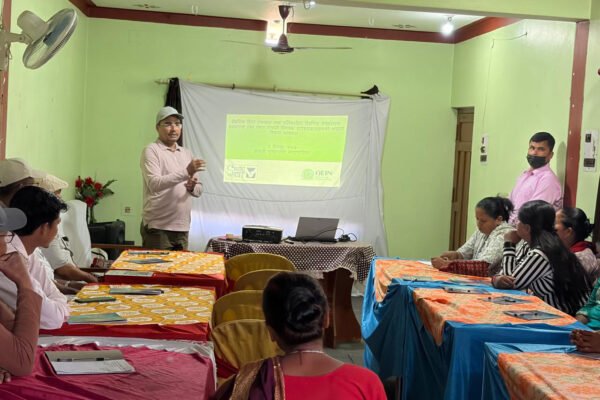
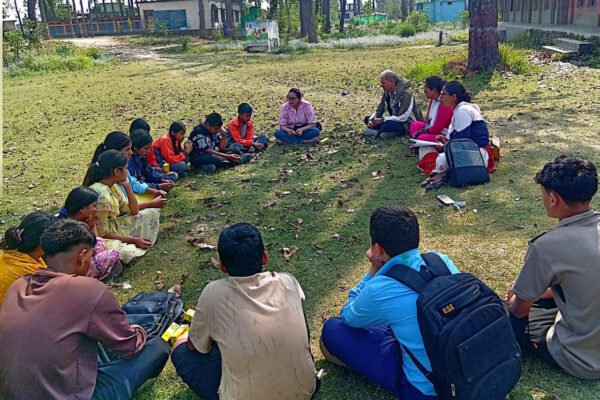
- The program reached 3888 school students. Of these, 2274 female students were oriented on various GBV (Gender Based Violence) and DV (Domestic Violence) related issues that educated them on their legal rights and encouraged them to speak against discrimination and exploitation. Complaint mechanisms were established and complaint boxes set up in many schools to allow students to safely report their issues and concerns.
- During the 16 Days Campaign, over 1000 students were educated on sexual violence issues.
- Out of 1300 identified cases of GBV, 635 of these were reported through a formal justice mechanism. Among these, 227 women were satisfied with the way their case was handled.
- Temporary logistics/accommodation support was provided to 60 GBV survivors through the shelter homes run by Saathi in three districts.
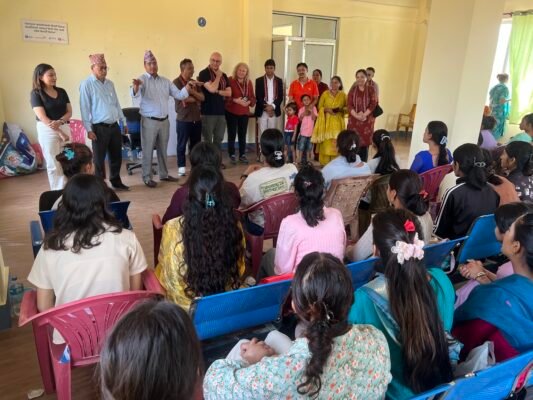
- 95 local elected leaders (over 70% women including some from marginalized communities) were equipped with the skills and knowledge on engendered governance particularly focusing on “Gender Equality and Women’s Empowerment”.
- 4701 beneficiaries from our project area reported increased knowledge and understanding on GBV.
- 5265 community people stated that they are now aware of at least one service that is available to people who face violence.
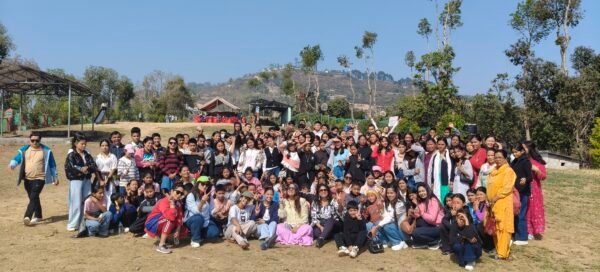
51 groups (men, women, mentor groups, adolescent girls) were formed, mobilized, and engaged to address GBV at the community level.